Results of the Open Dialogue
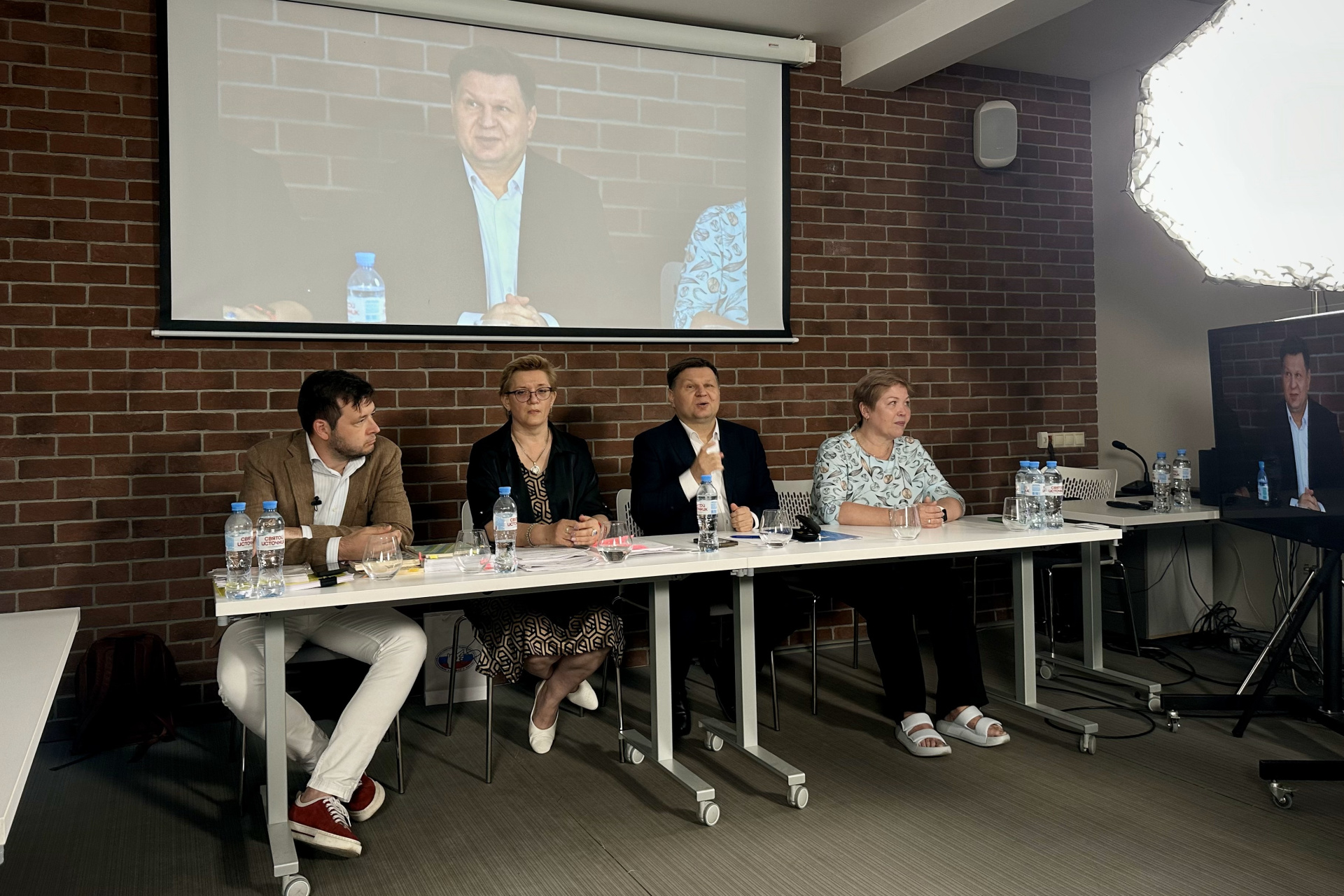
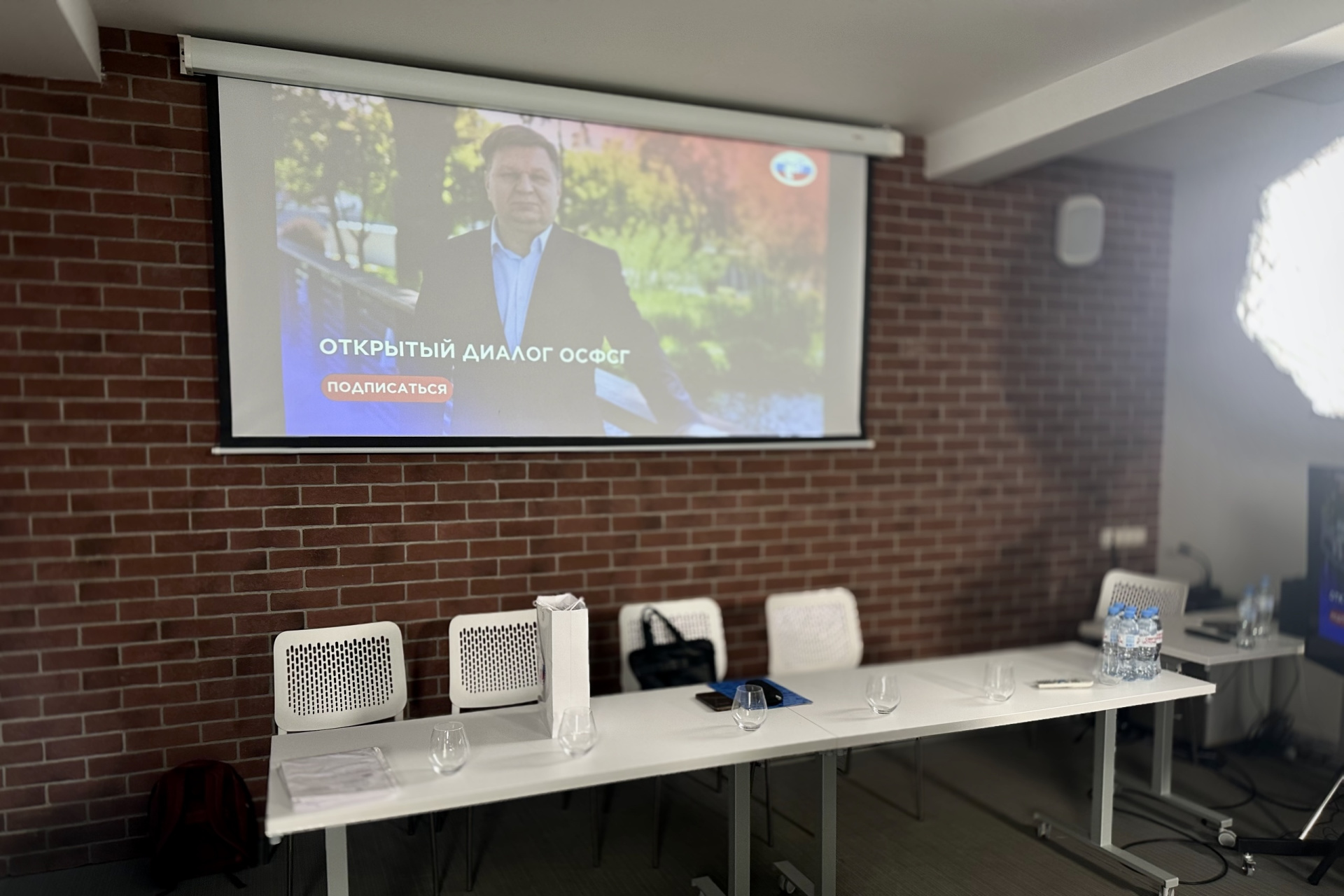
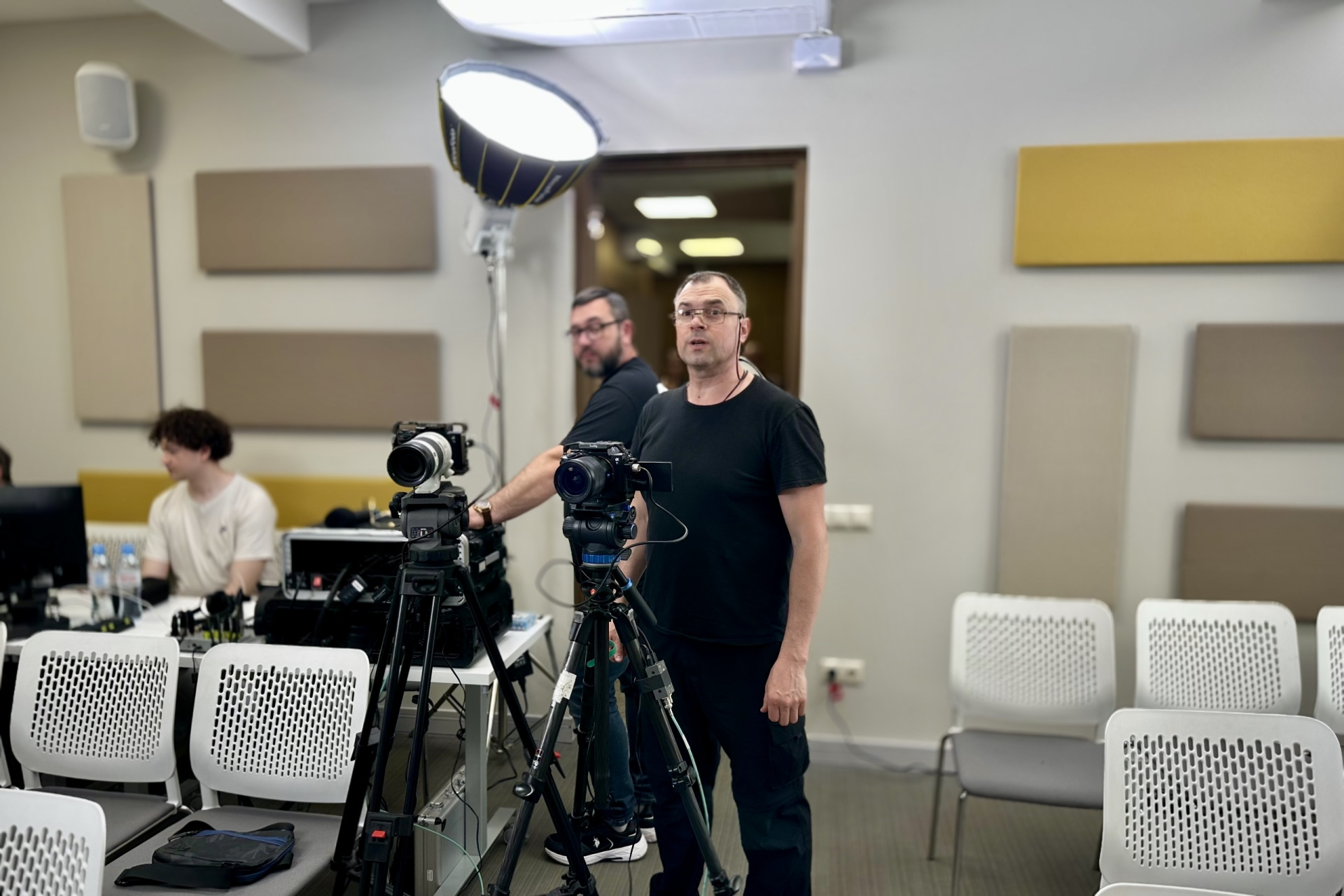
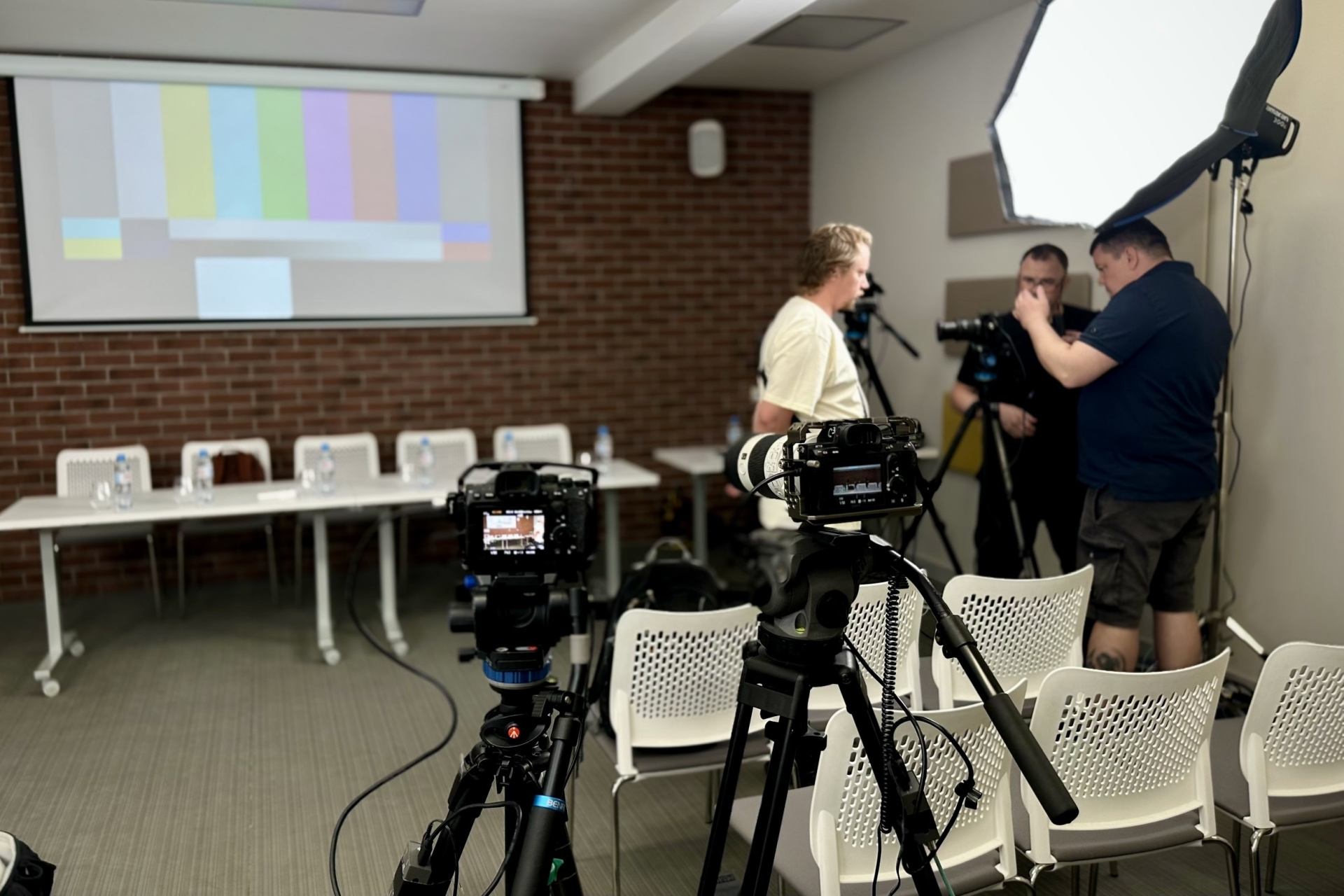
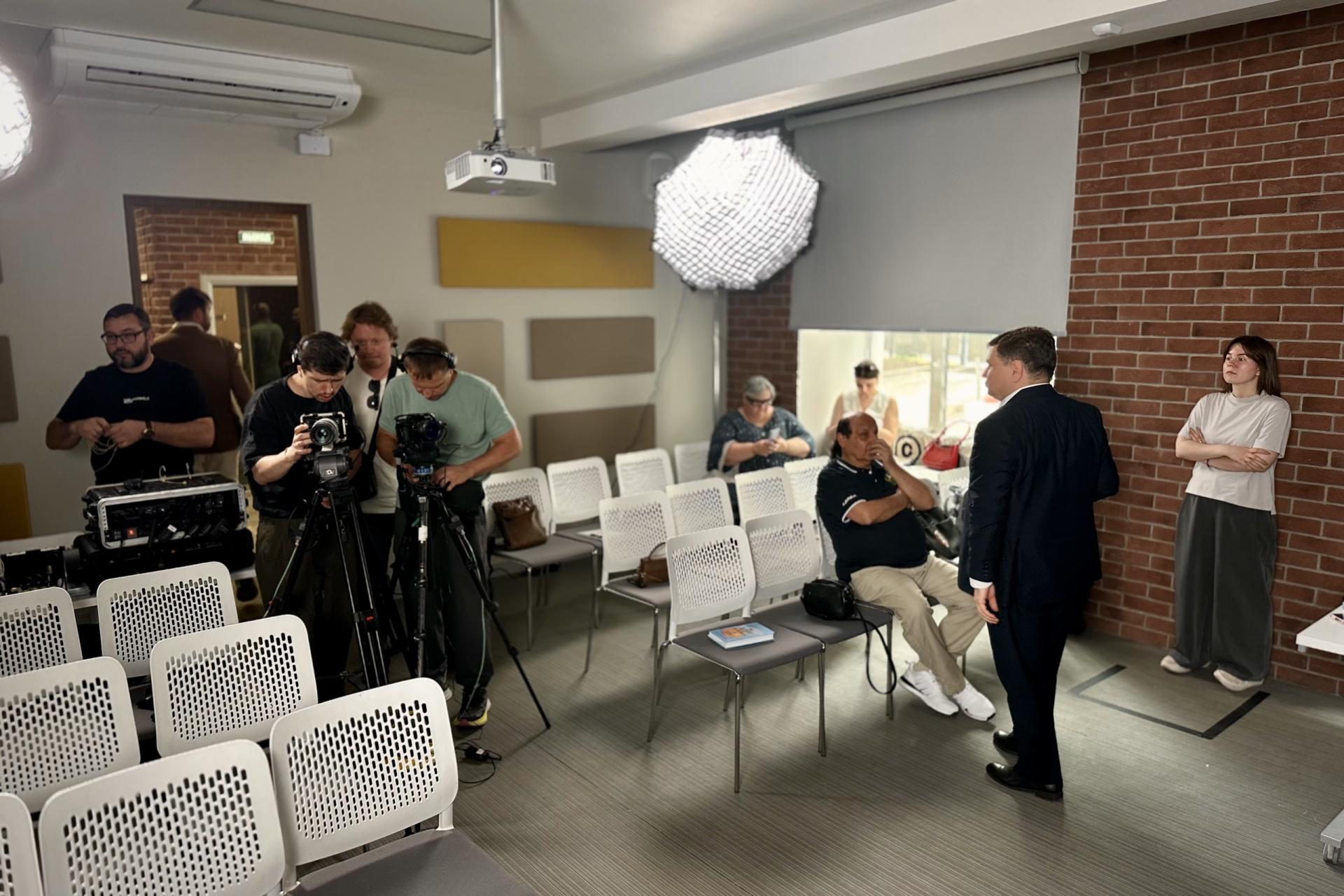
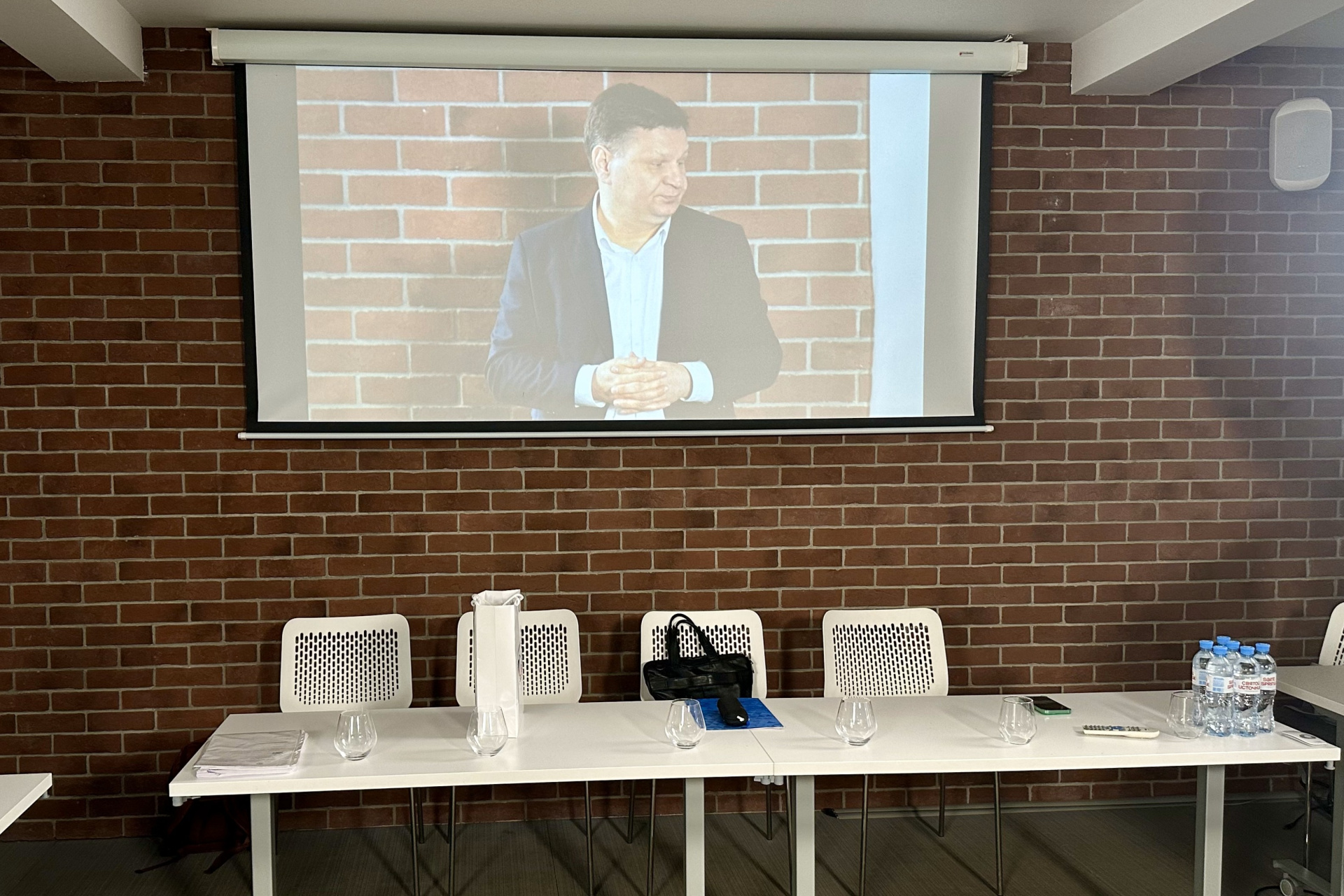
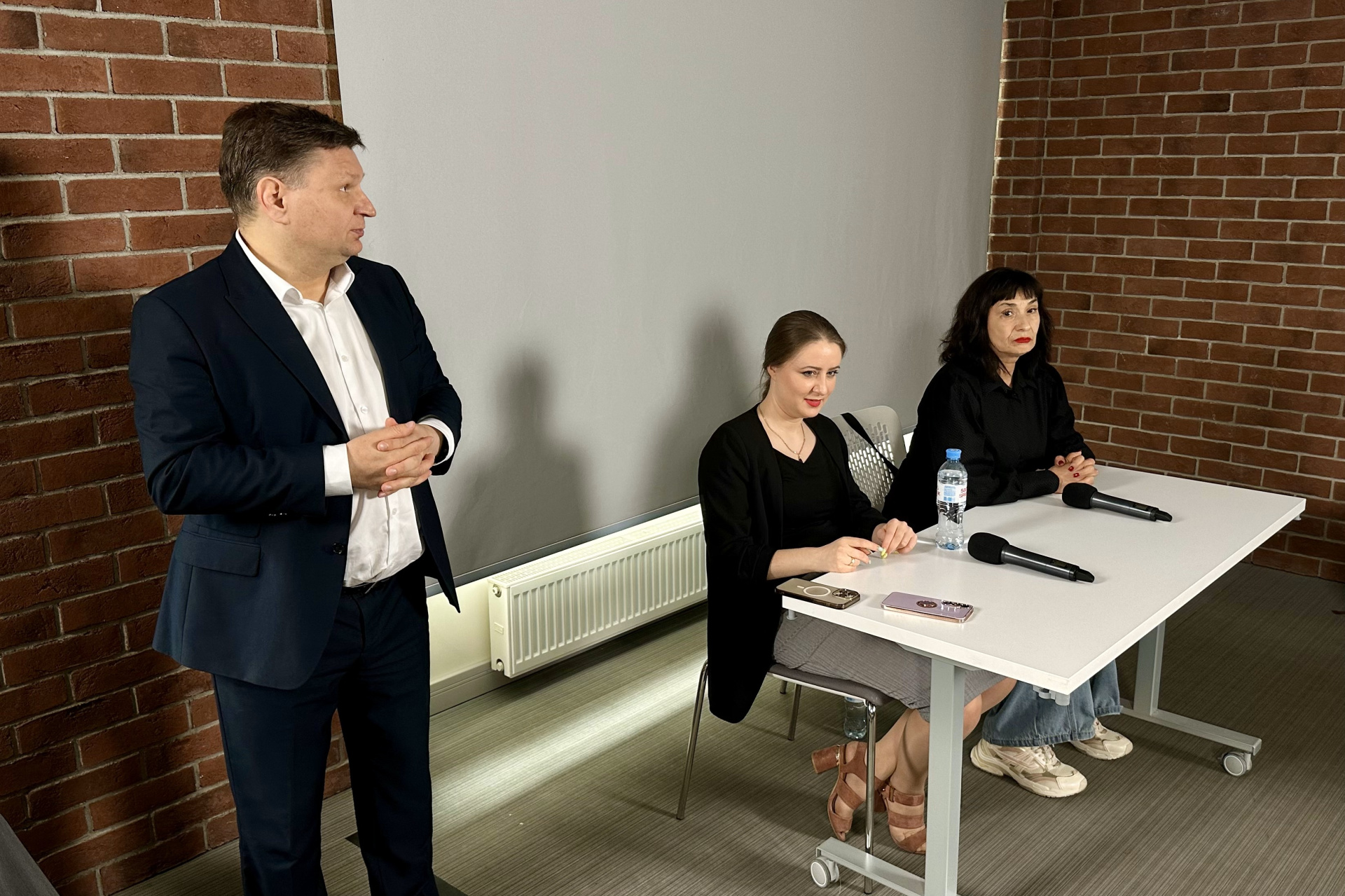
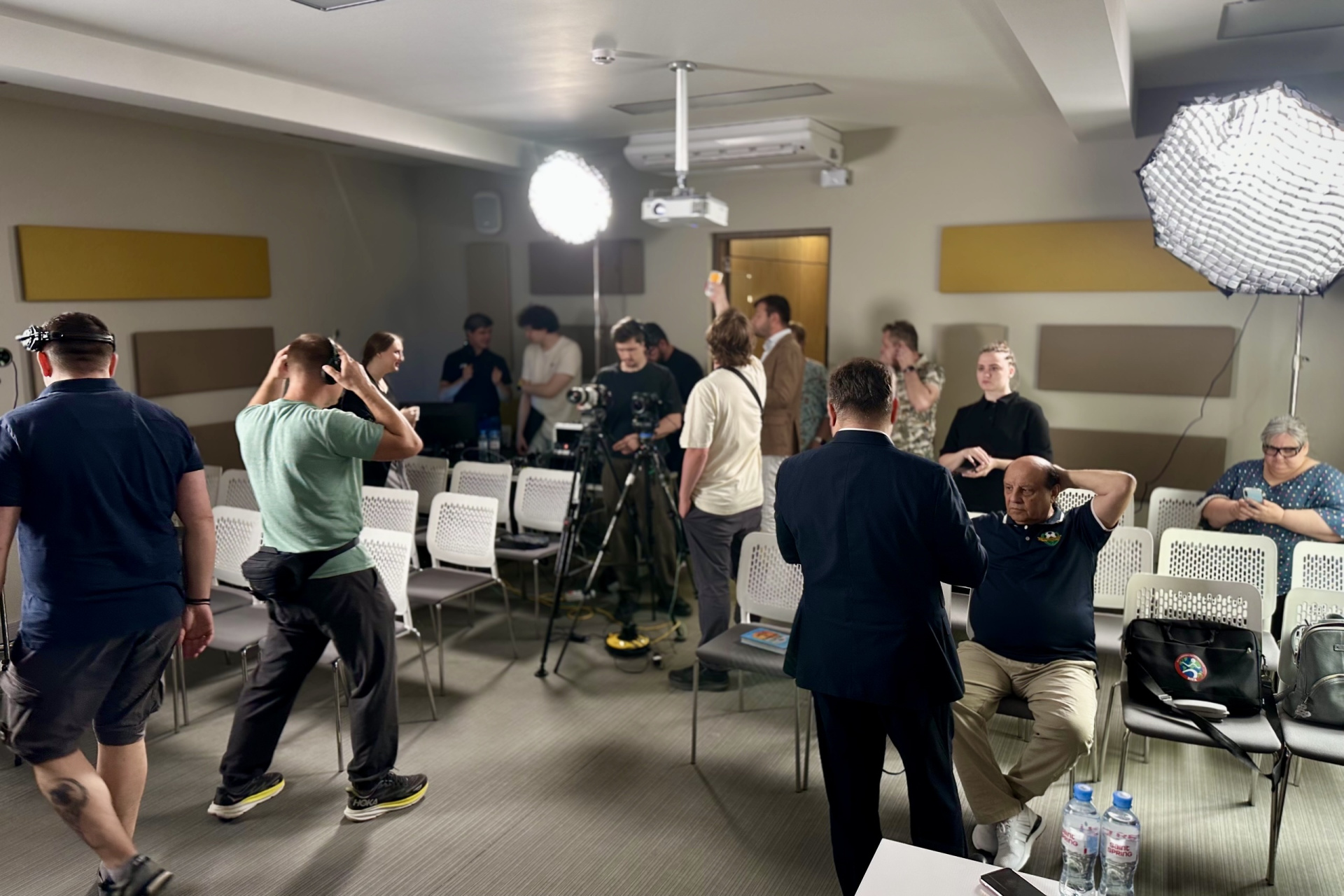
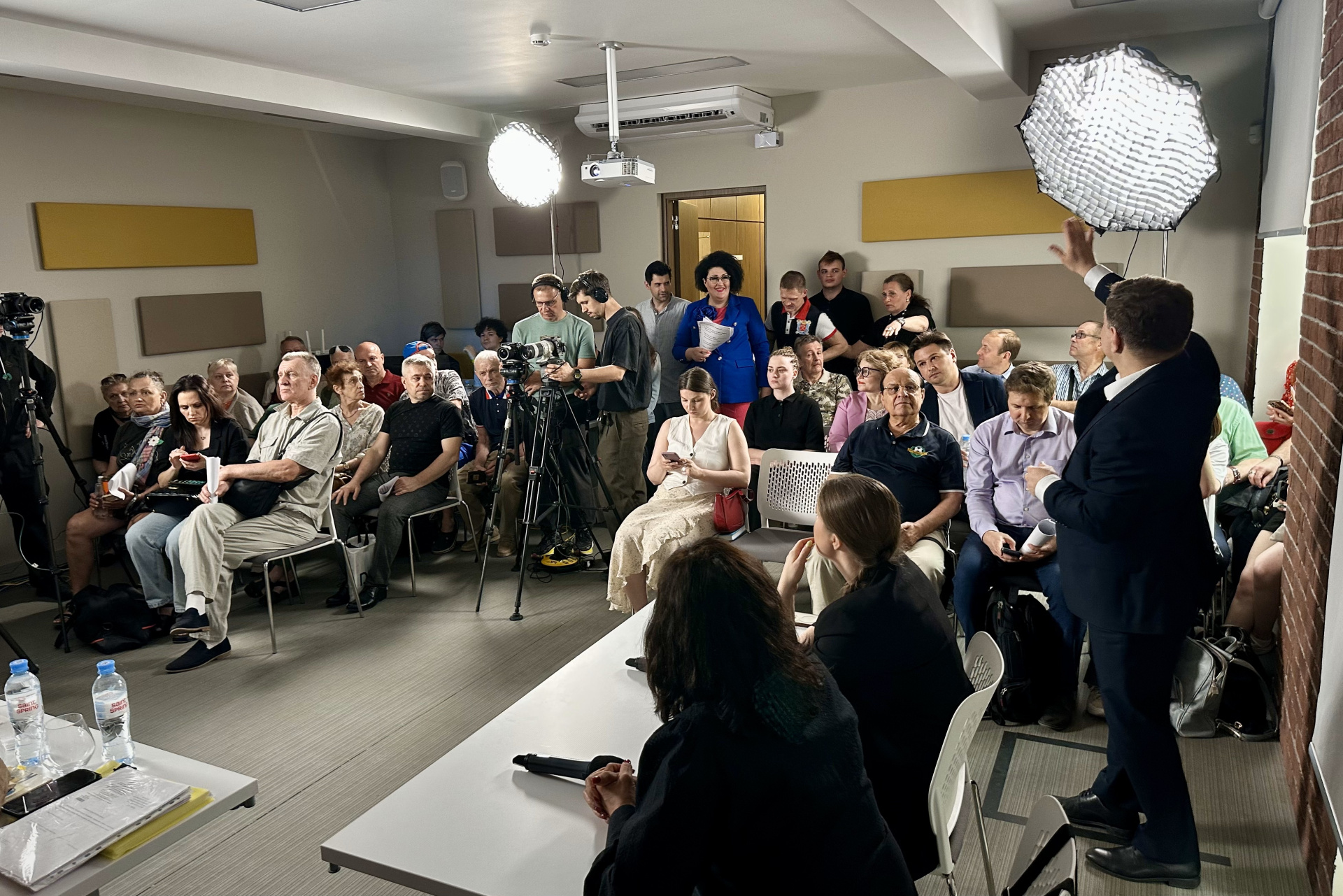
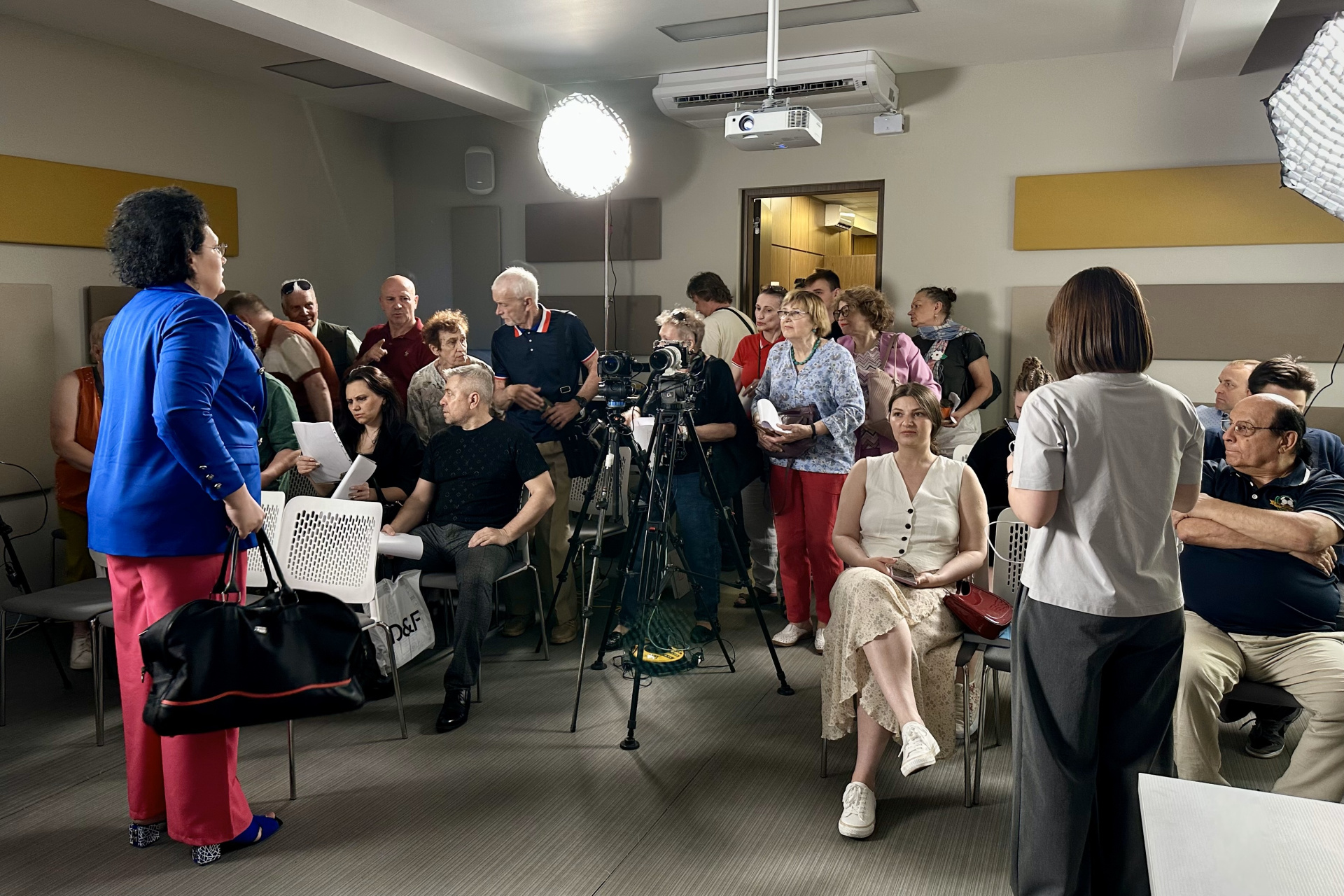
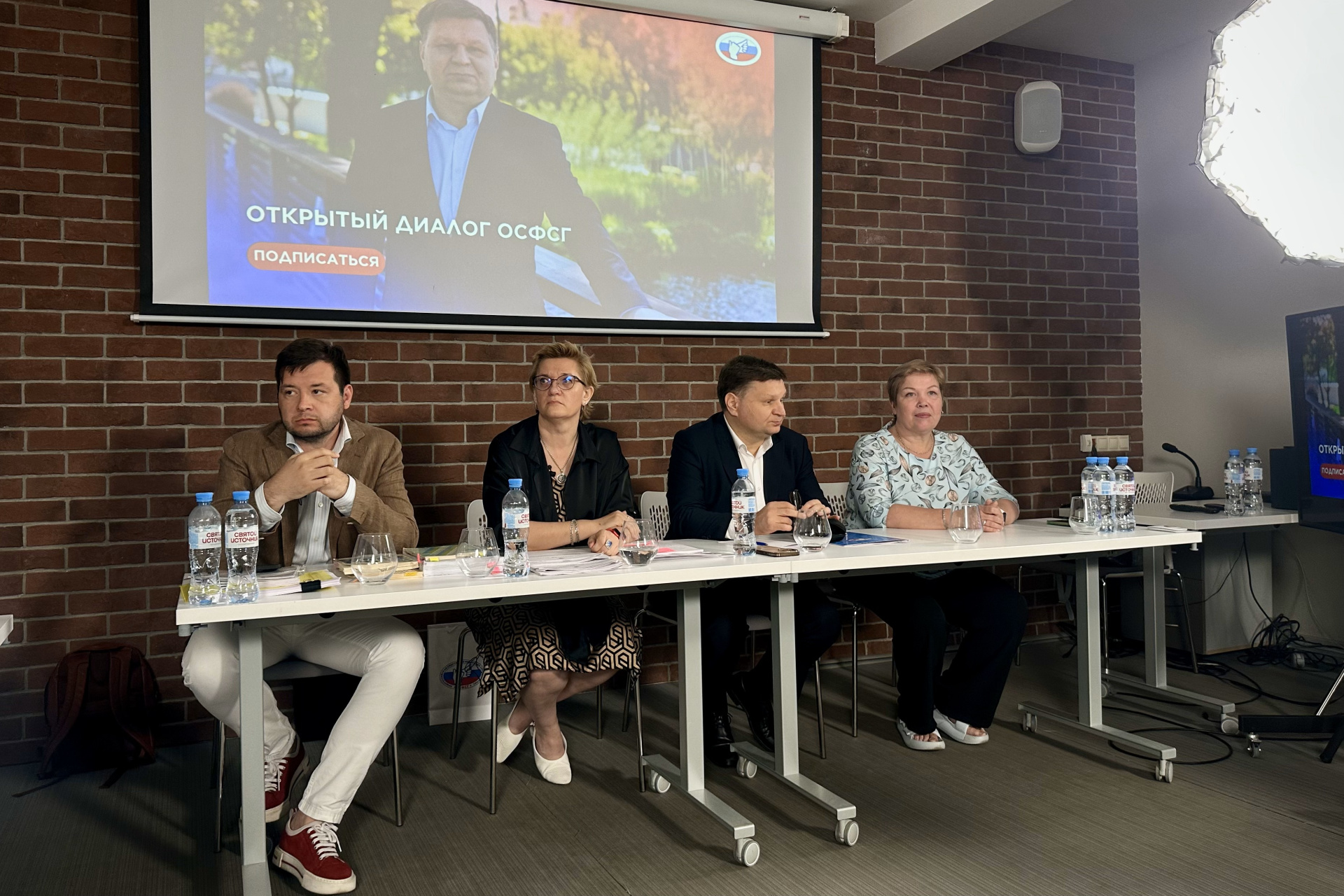
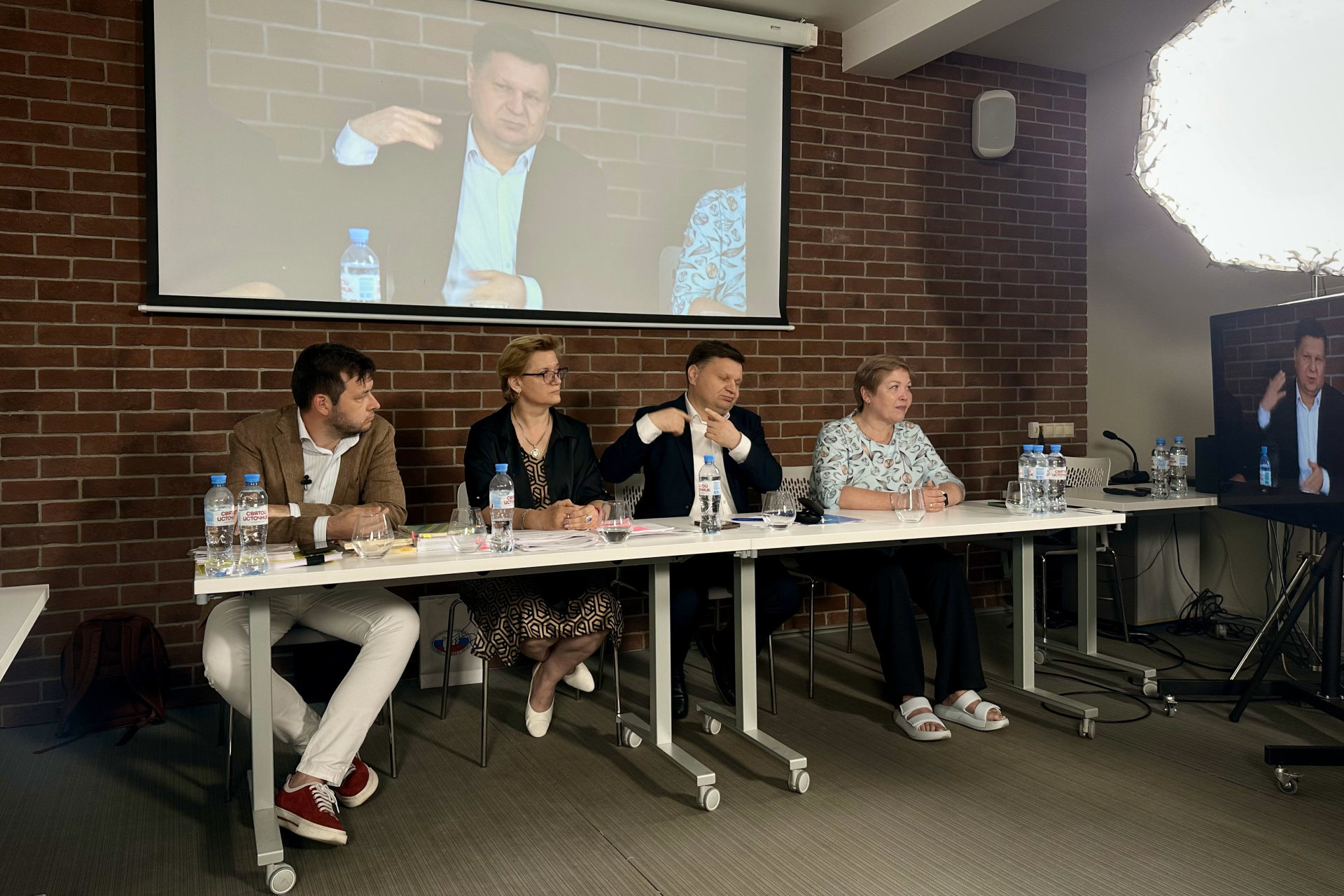
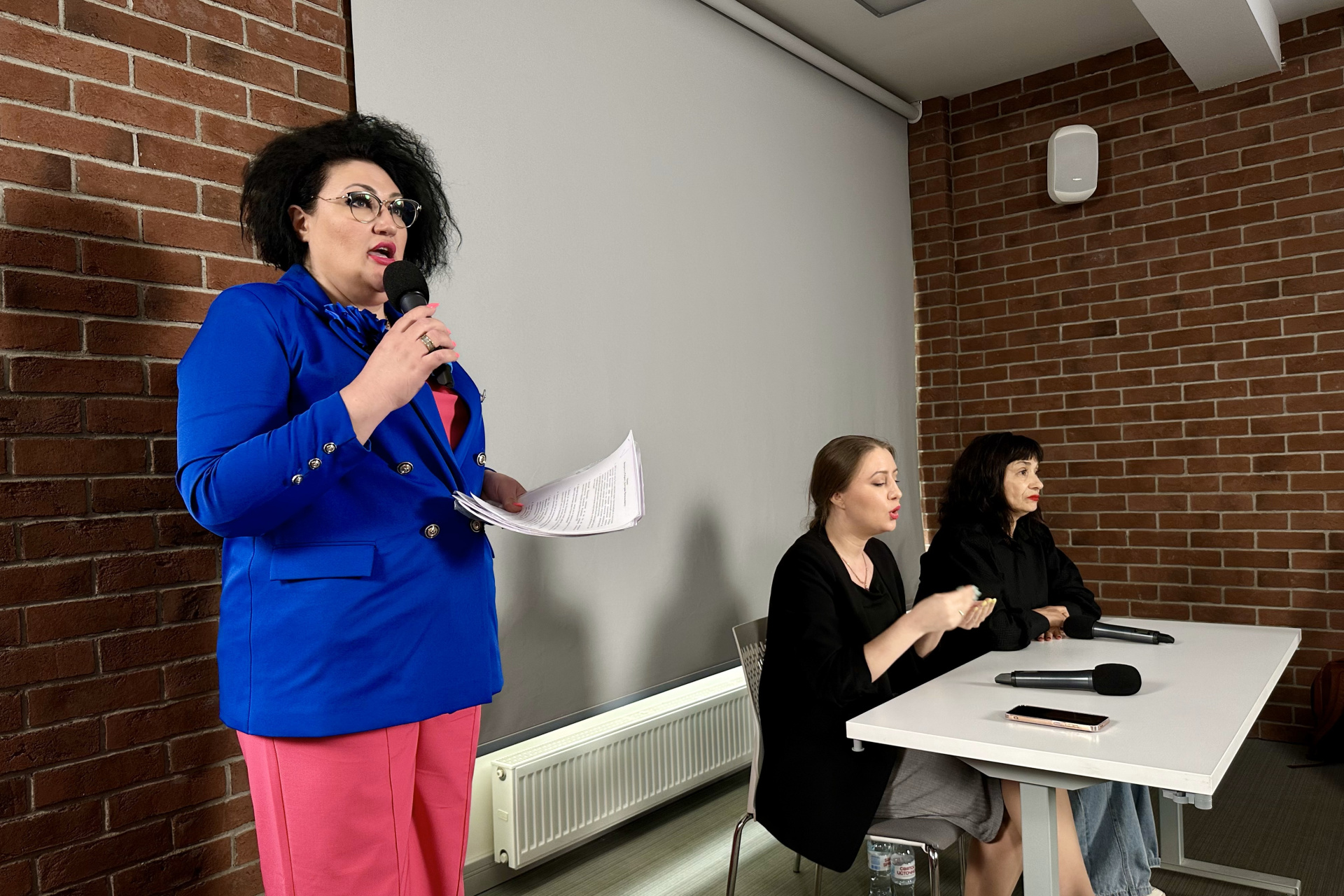
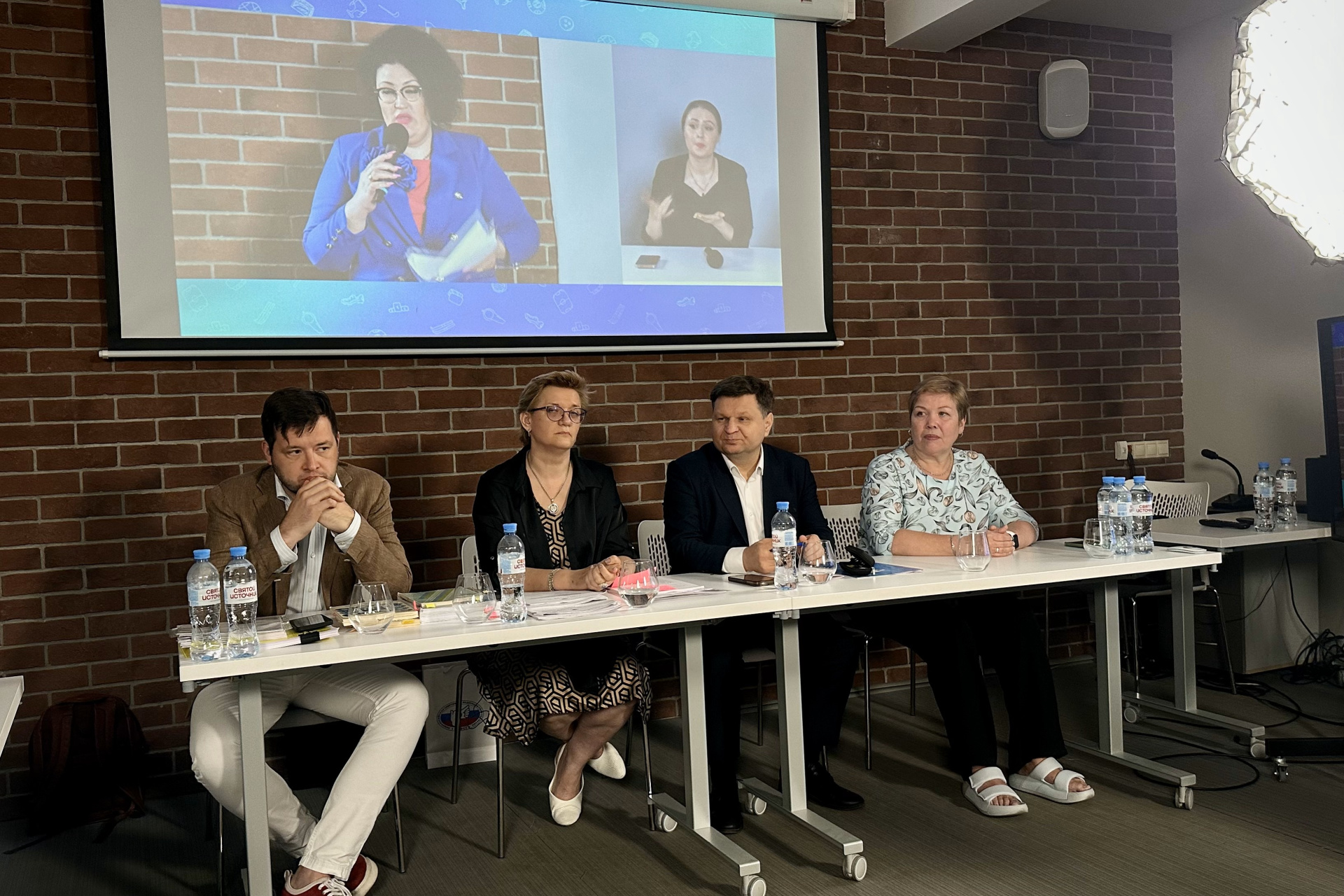
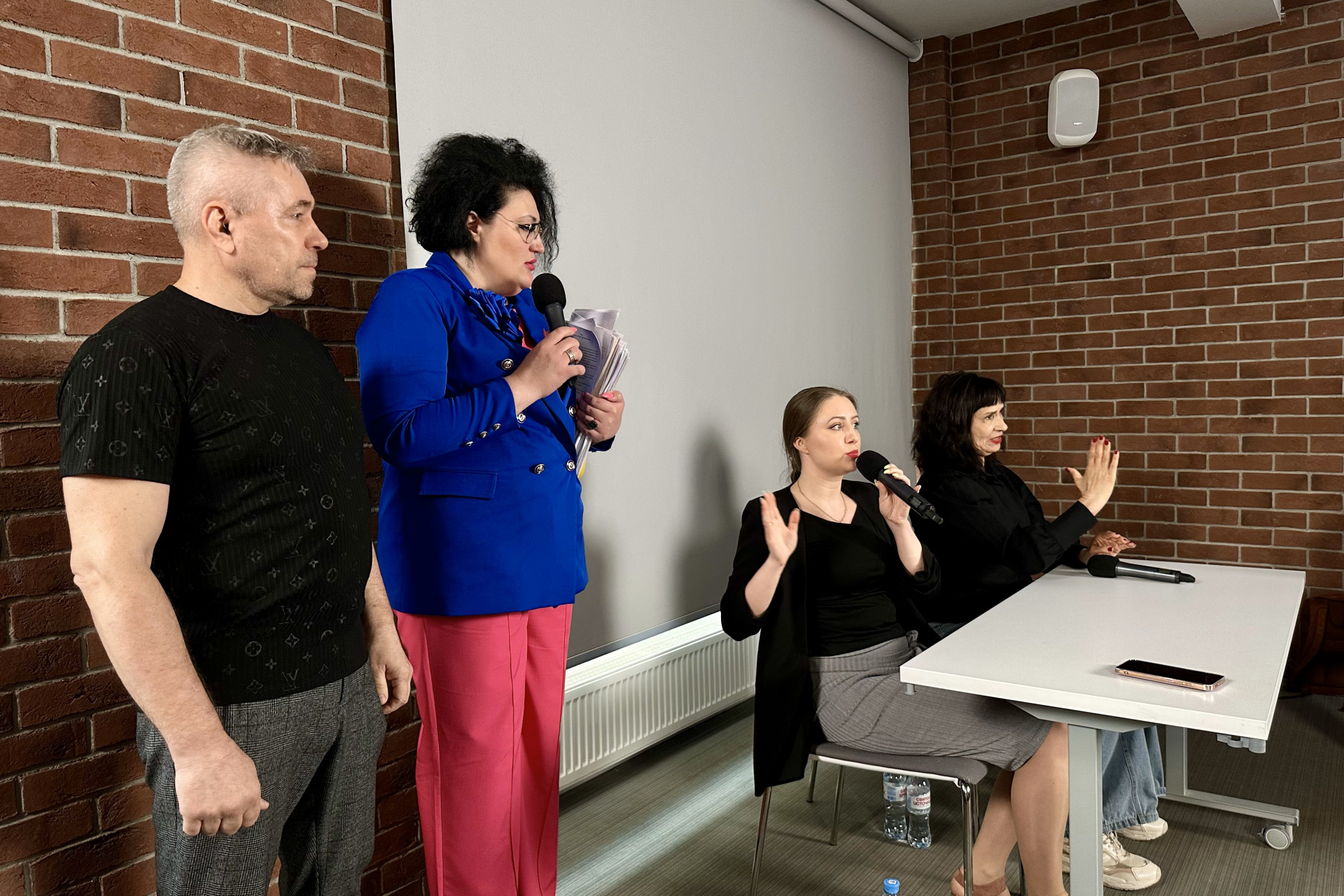
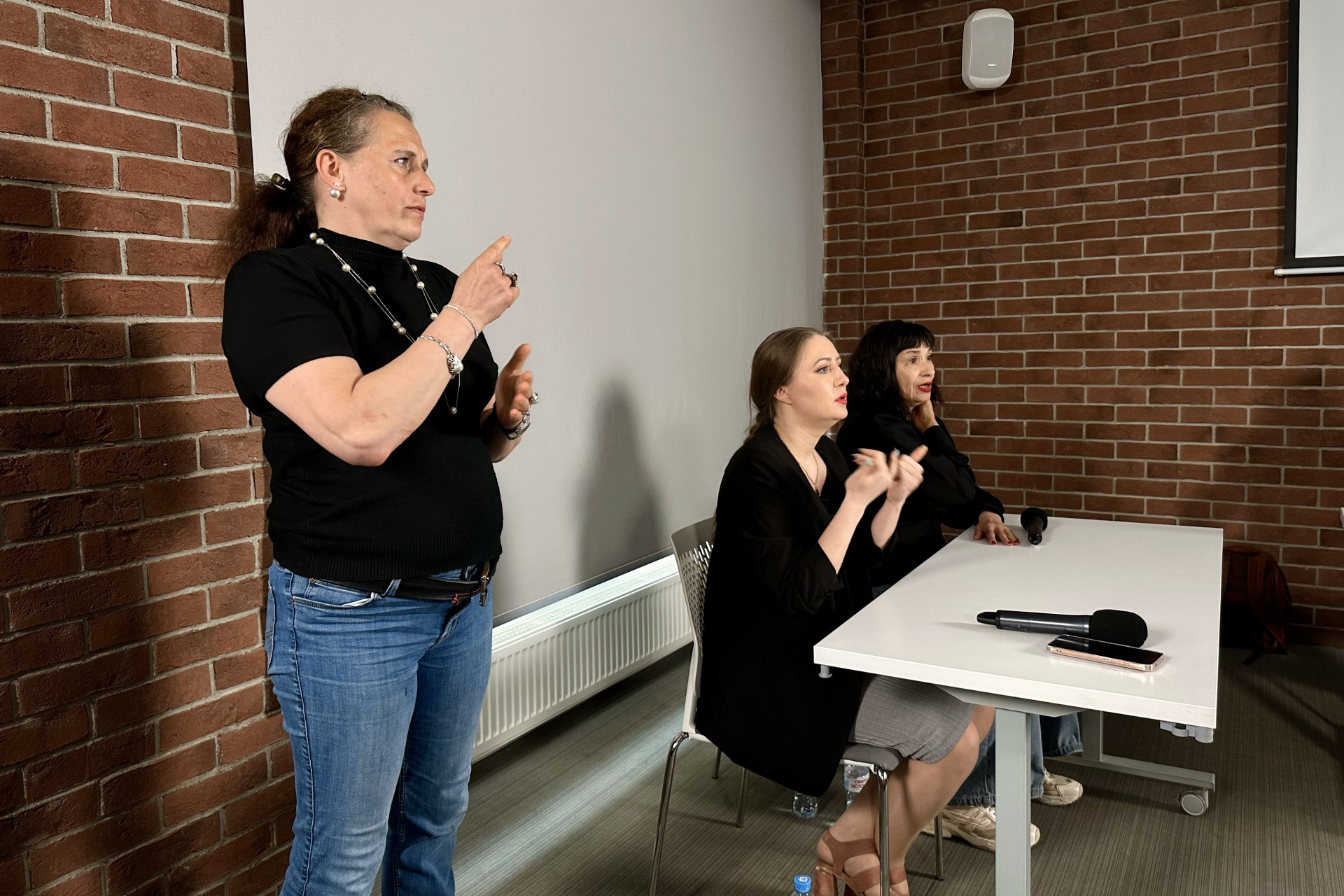
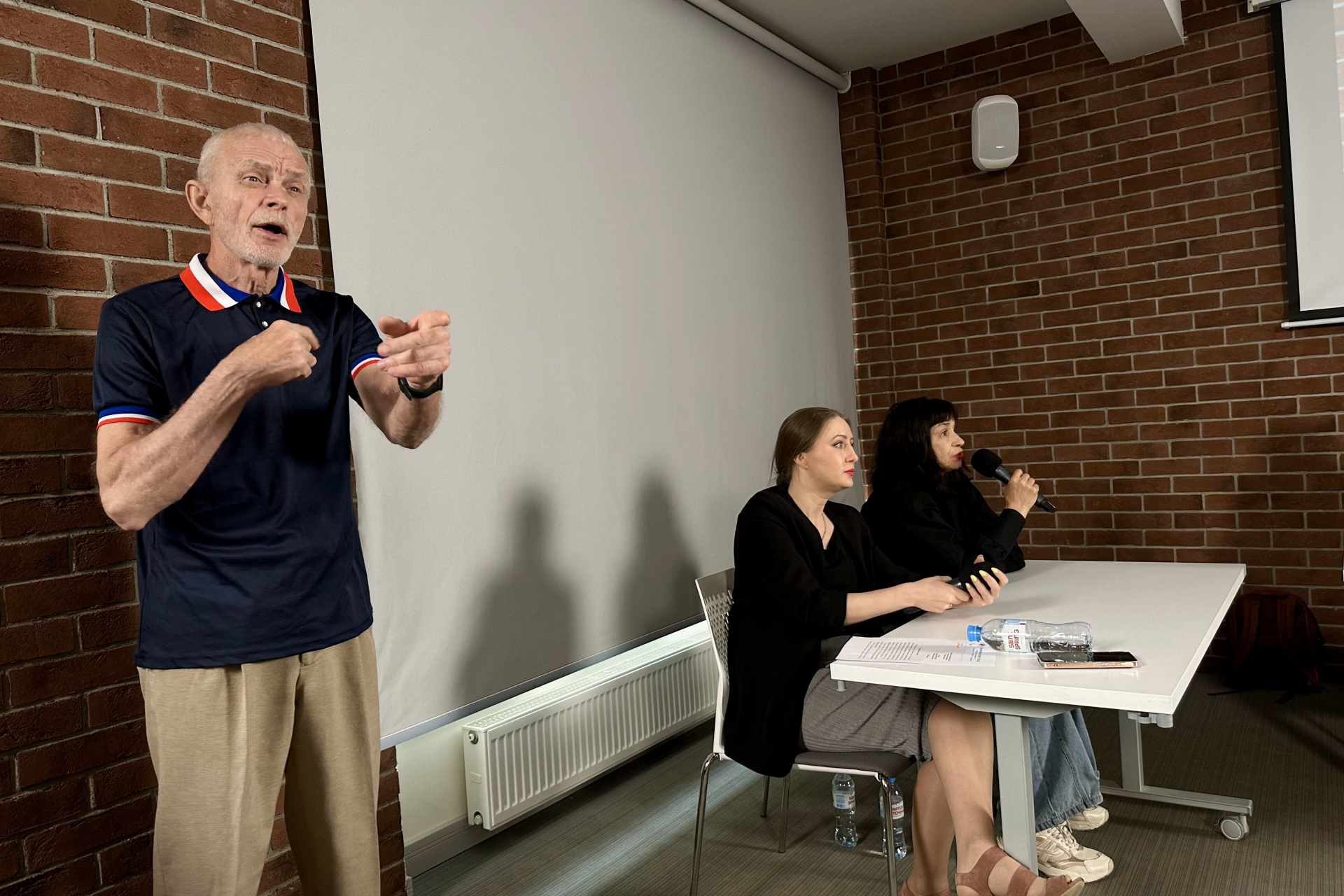
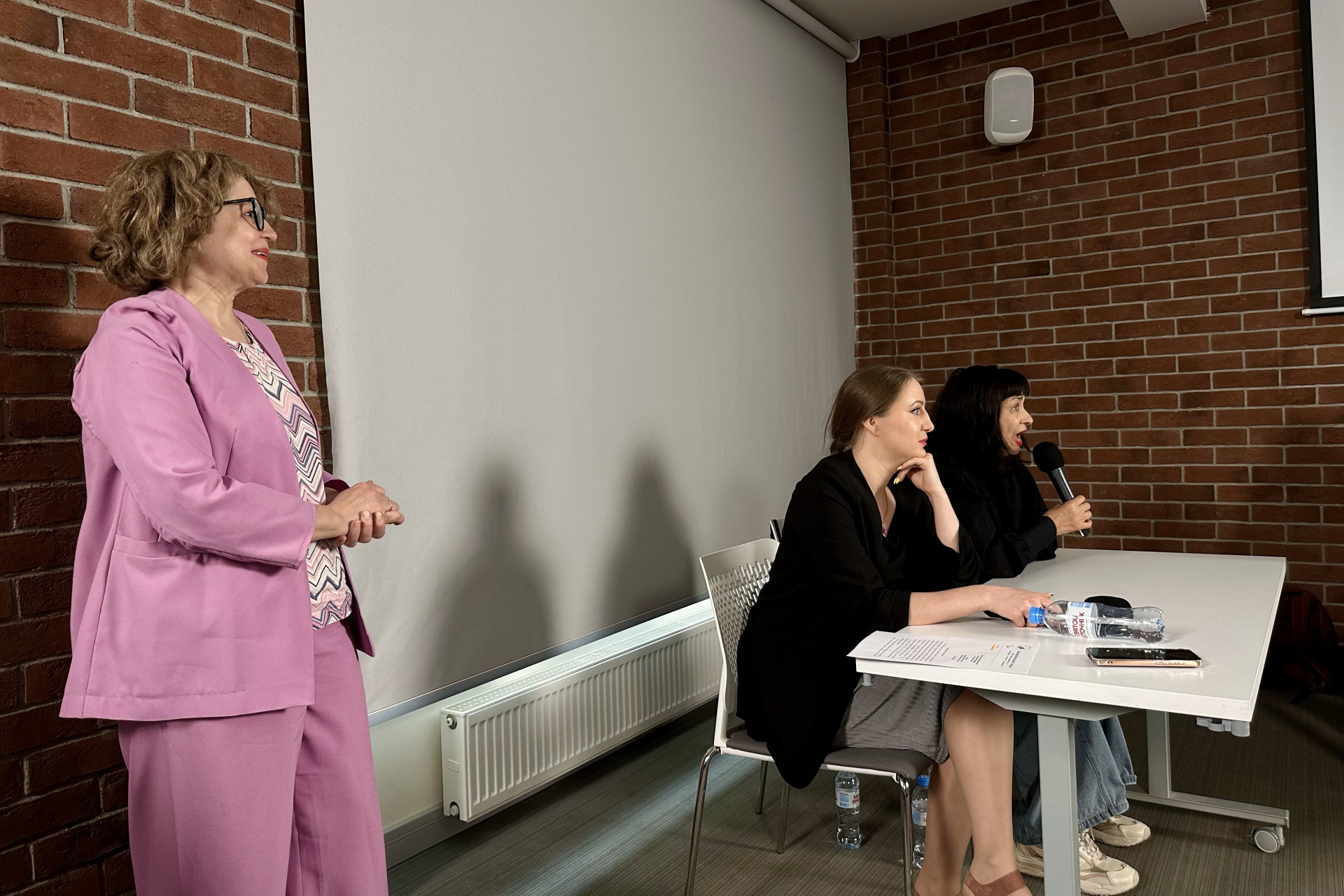
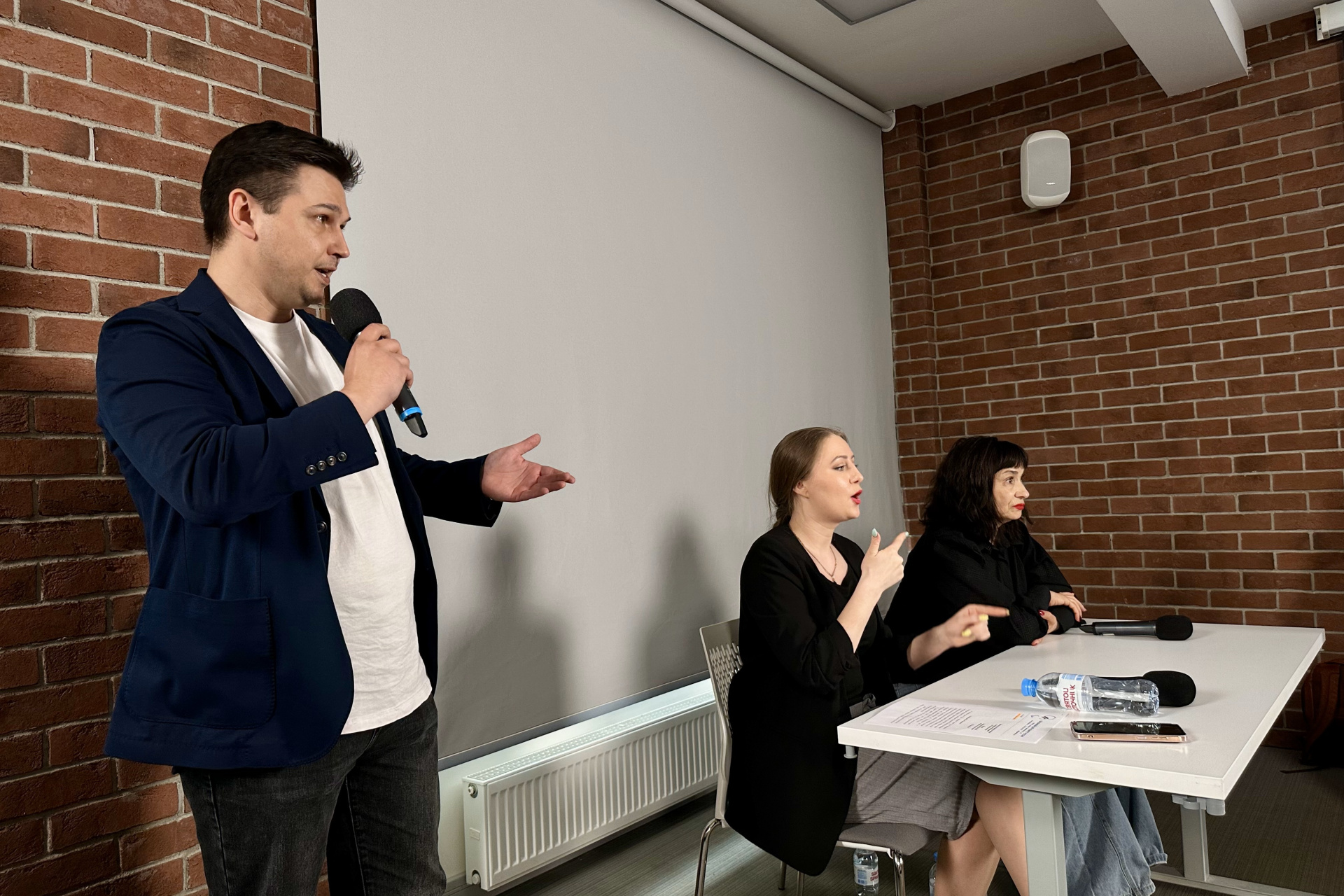
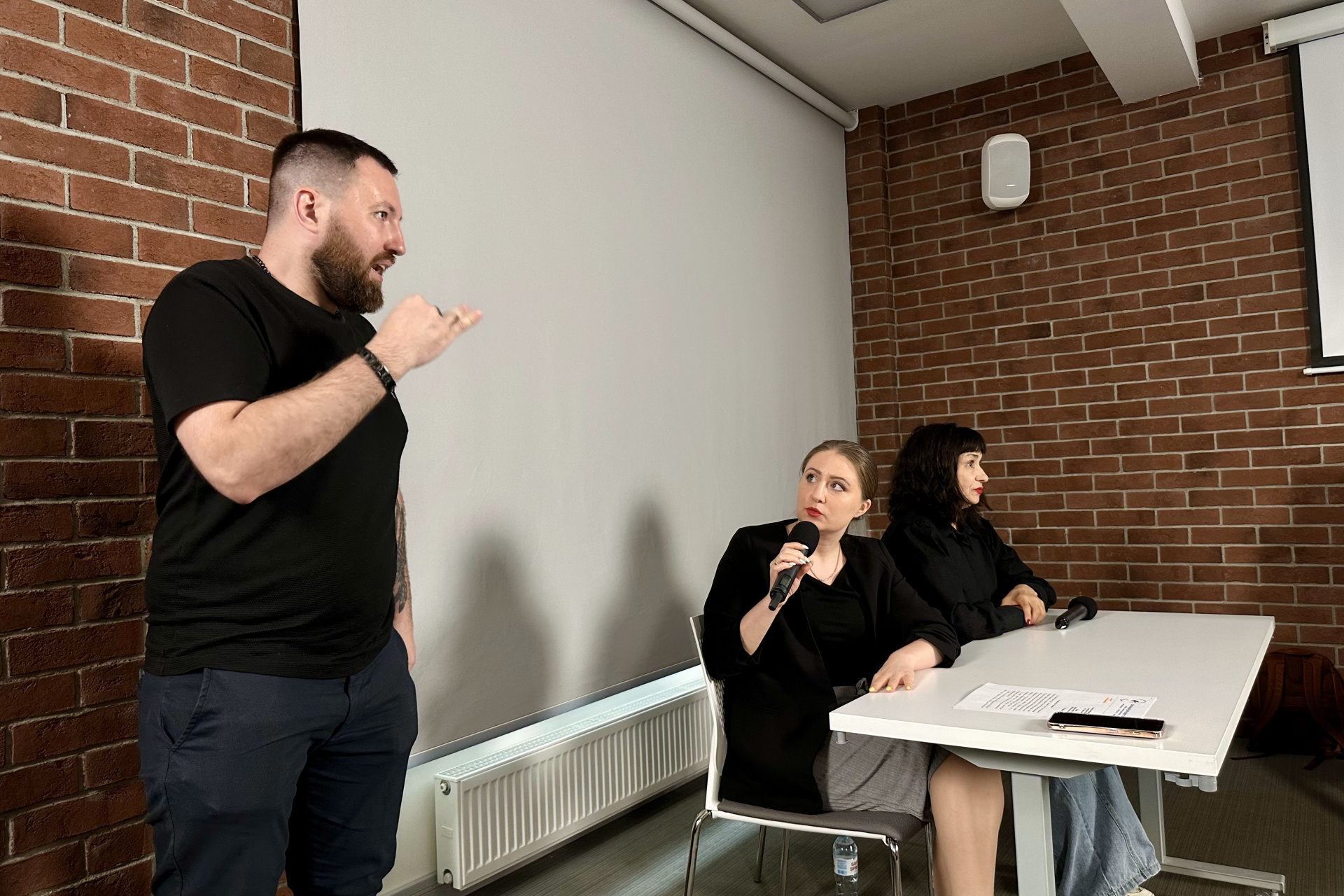
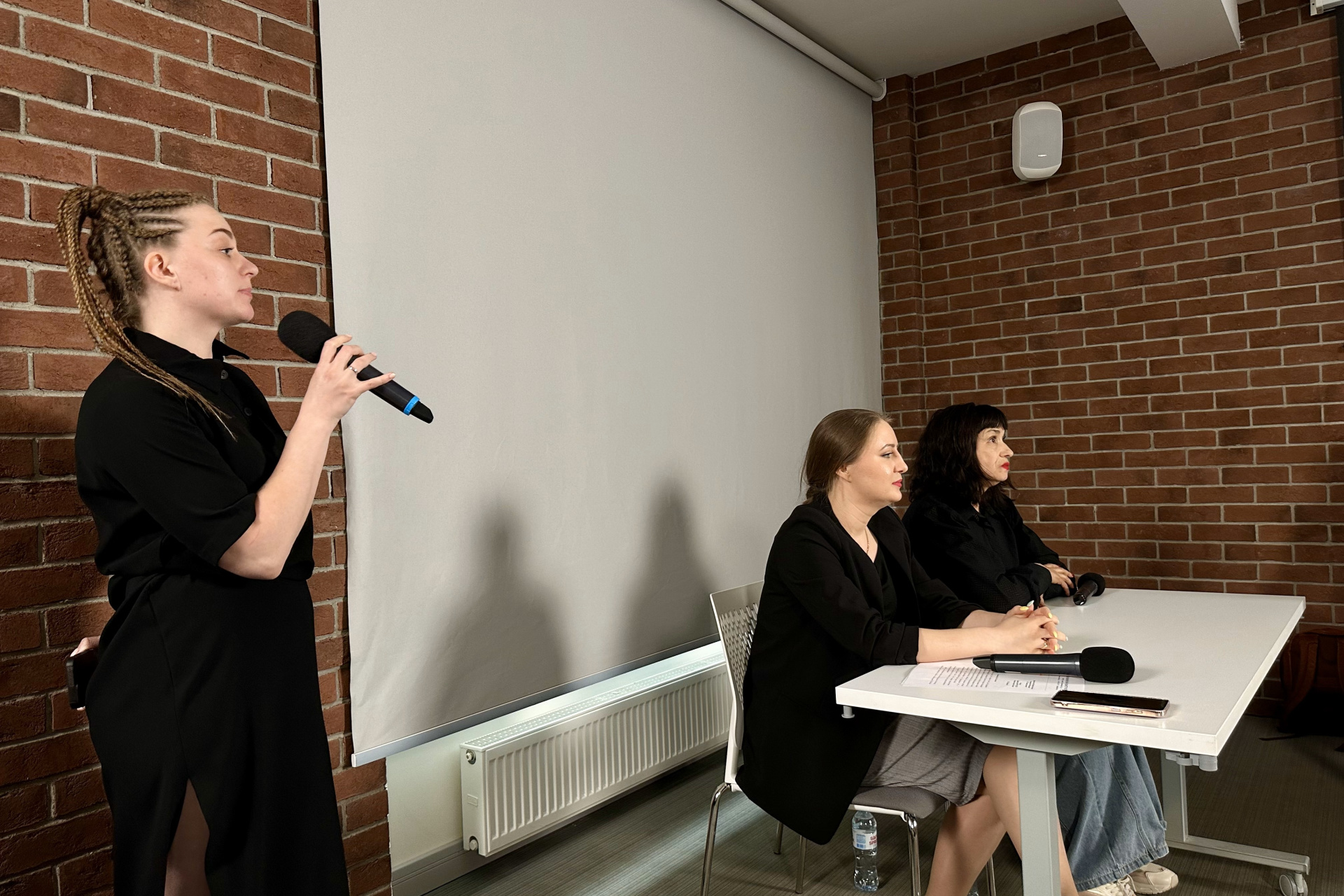
Yesterday, May 26, a live broadcast of the “OSFSG Open Dialogue” took place in the conference hall on Malaya Bronnaya Street. The broadcast was part of the OSFSG's mission to make the Federation's activities open and transparent to all deaf people.
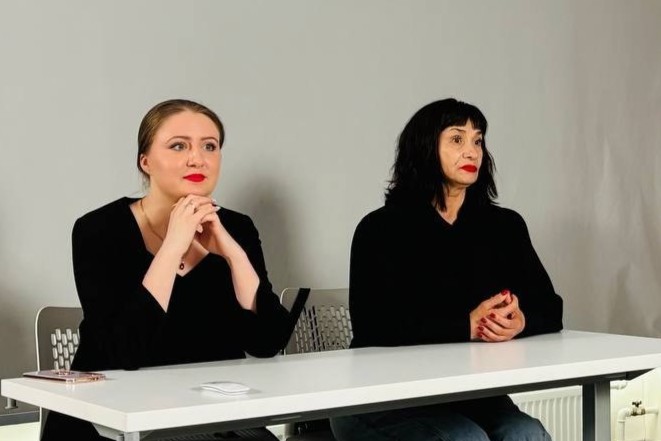
Representatives of the All-Russian Sports Federation of Sports of the Deaf—President Dmitry Rebrov, Head of the Awards Department Larisa Samusenkova, and Advisor to the President Grigory Turintsev—took part in the dialogue and answered questions on topical issues, including the receipt of the Russian President's scholarship. The conversation was moderated by Larisa Belousova, a public figure and blogger.
During the open dialogue, participants discussed a wide range of issues related to the Federation's activities: fr om the conflict situation regarding the exclusion of some veteran athletes fr om the lists for the Russian President's scholarship in 2023 to questions about the quality of work of regional branches. Anyone could address the representatives of the OSFSG.
Dmitry Rebrov opened the live broadcast by welcoming the participants and talking about the activities of the Federation. He then invited the participants to ask questions. The first to speak was a representative of veteran athletes, who demanded an apology to her clients for their exclusion from the list of candidates for the Russian President's scholarship in 2023-24 and commented on a number of other issues.
The President of the OSFSG said that the Federation acted strictly within the law, that during that period the Ministry of Sport allocated 700 places for the Russian President's scholarship—350 equal places for the champions of the Deaflympics and Paralympics.
Grigory Turintsev spoke about the Federation's actions in previous years. On December 22, 2022, and January 27, 2023, the OSFSG, despite the existing lim it of 350 people, submitted a list of 362 people. The Federation was asked to revise this list, otherwise the document would not be considered. The OSFSG board was forced to make the difficult decision to remove twelve athletes fr om the list, and on February 21, 2023, the Federation repeated its request to the Ministry of Sport of the Russian Federation for 350 places. The issue has already been resolved for six of these 12 veteran athletes, and they have received funds for 2023 from the budget of the All-Russian Sports Federation of Sports of the Deaf. The other six refused and appealed to the court. It is also worth noting that work to expand the lim it had been ongoing for some time. Three years ago, the Russian Committee of Deaf Sports submitted an application to expand the quotas, and this has now borne fruit: 375 places are currently allocated.
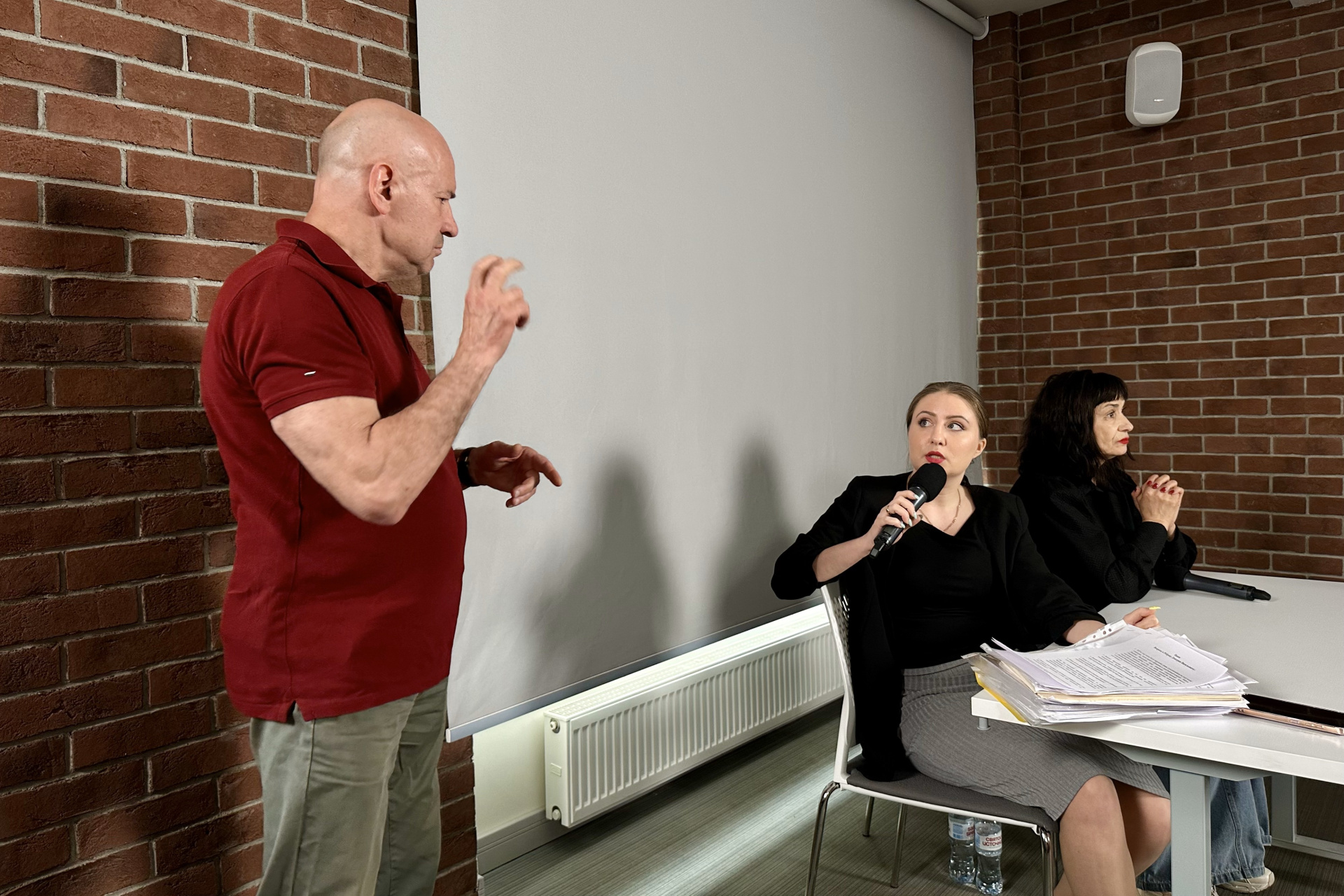
The athletes who had taken legal action were present at the open dialogue. Aleksey Alekseev reported that he had received a scholarship for 2023, as well as for 2024. Evgeny Pavlyuchenko also stated that he had received some money on a regular basis, but did not understand what these payments were for. From the athletes' testimony, it became clear that they had received their scholarships for 2024 in full, despite their representative's earlier claims to the contrary.
Regrettably, the attempt to engage in a constructive dialogue with the representative of the veteran athletes was unsuccessful. This was due to the representative creating a tense atmosphere and resorting to personal attacks. After she and the athletes voluntarily and prematurely left the live broadcast, Elena Zatsepina, a distinguished master of athletics, asked a question. Elena asked the OSFSG representatives to provide her with an official letter stating the quota of 350 people. The letter was provided. She expressed her support for the Federation's commitment to dialogue.
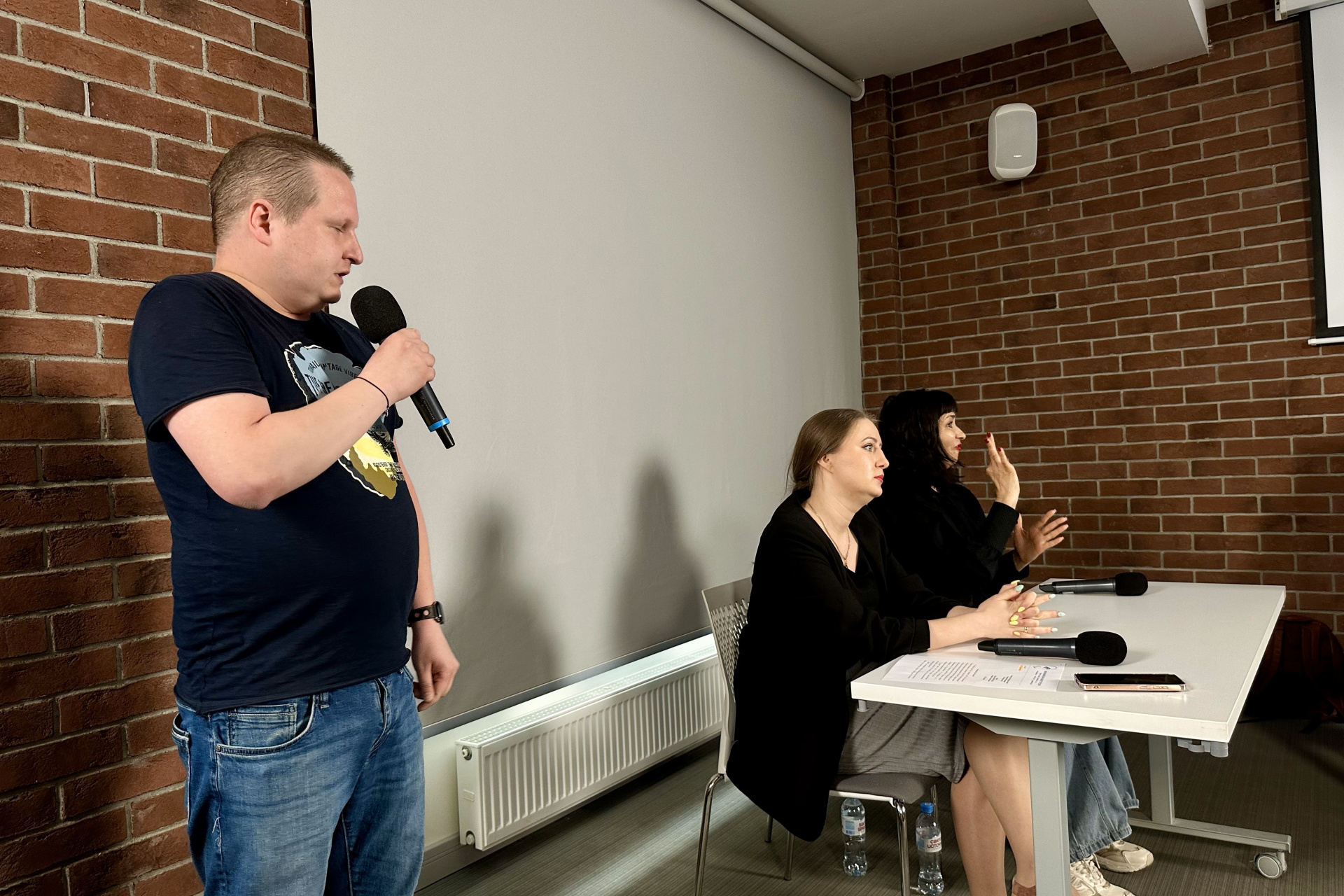
Children's chess coach Andrei Smirnov spoke. He said that two years ago, a youth Spartakiad was held, which had two age categories, under 12 and under 17, but the winners were not included in the Russian national team. Instead, a person whose achievements, according to Andrei Smirnov, were significantly lower was included. Dmitry Rebrov advised contacting the senior coach and the coaching council, as the decisions of such councils are submitted for consideration to the OSFSG. Also, according to the existing rules, selection for the Russian national teams is based on the results of national championships, competitions, and cups, but not Spartakiads.
Three-time Paralympic champion in athletics Evgeny Shvetsov shared a pressing issue: despite the fact that an athlete can meet the standards and win prizes, he is not guaranteed to be awarded a rank or title, as at least six teams from the regions must participate in the event. The Head of the OSFSG Awards Department, Larisa Samusenkova, confirmed that there are such official restrictions on obtaining ranks and titles—there must be more than six teams from different regions for titles to be awarded. Evgeny also pointed out the problem of admission to competitions when ranks are available. The OSFSG president replied that he would resolve the issue on an individual basis.
The topic of sambo in deaf sports was also raised. Dmitry Frolov asked who is currently the head coach for this discipline and wh ere one can learn more about his work. The president of the Federation replied that the position of head coach is currently held by a person who is temporarily performing his duties. He also invited Dmitry Frolov to participate in the certification for head coaches, which is held at the end of the year, as priority is given to deaf coaches. Only in the absence of such a coach does the Federation cooperate with a hearing coach.
Natalia, an athlete from St. Petersburg, asked a question related to her sport, judo. She noted that the leadership of the city's Federation of Sports for the Deaf in St. Petersburg is not doing its job effectively. Dmitry Rebrov replied that he was aware of the problems in the northern capital. That is why a regional branch of the OSFSG was recently opened, which will work efficiently.
After answering these and other questions and summarizing the open dialogue, the president of the OSFSG noted that the Federation is constantly working to eliminate the mistakes of the previous leadership. A new team has been created, documents are being reviewed, and ties are being established with the Ministry of Sport, which allocates a decent budget to the Federation. The Federation allocates the budget according to the following guidelines: 70% for adult sports, 20% for mass sports, and 10% for youth sports and GTO. Dmitry Rebrov added that, together with the new team, the Federation is doing everything possible to develop sports for the deaf, regularly holding championships, competitions, and winter and summer Spartakiads.
The OSFSG president proposed holding a live broadcast every six months or once a year, and also thanked everyone present, the team, and the Russian Sign Language interpreters.
Everyone present received an answer to their question—you can view the answers in detail by watching the recording of the live broadcast on VK and RuTube.
Photo: Sofya Rumyantseva
Галлерея
Partners