ARSFSD President Participates in the Work of the Interdepartmental Commission
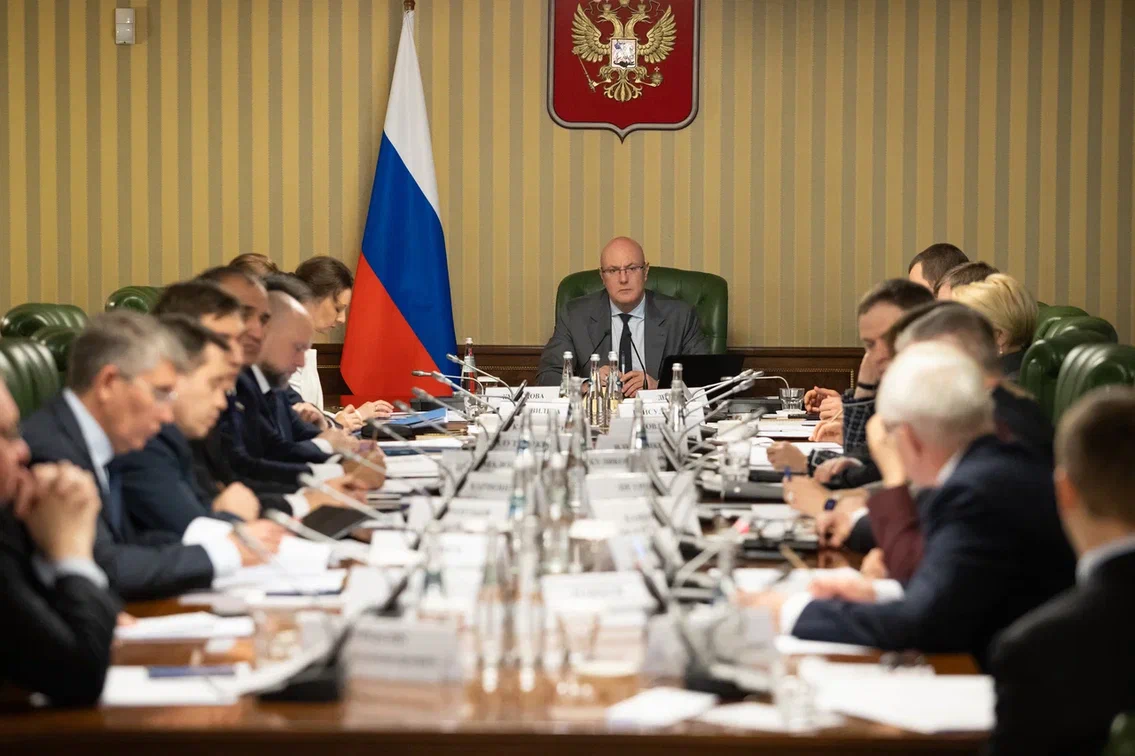
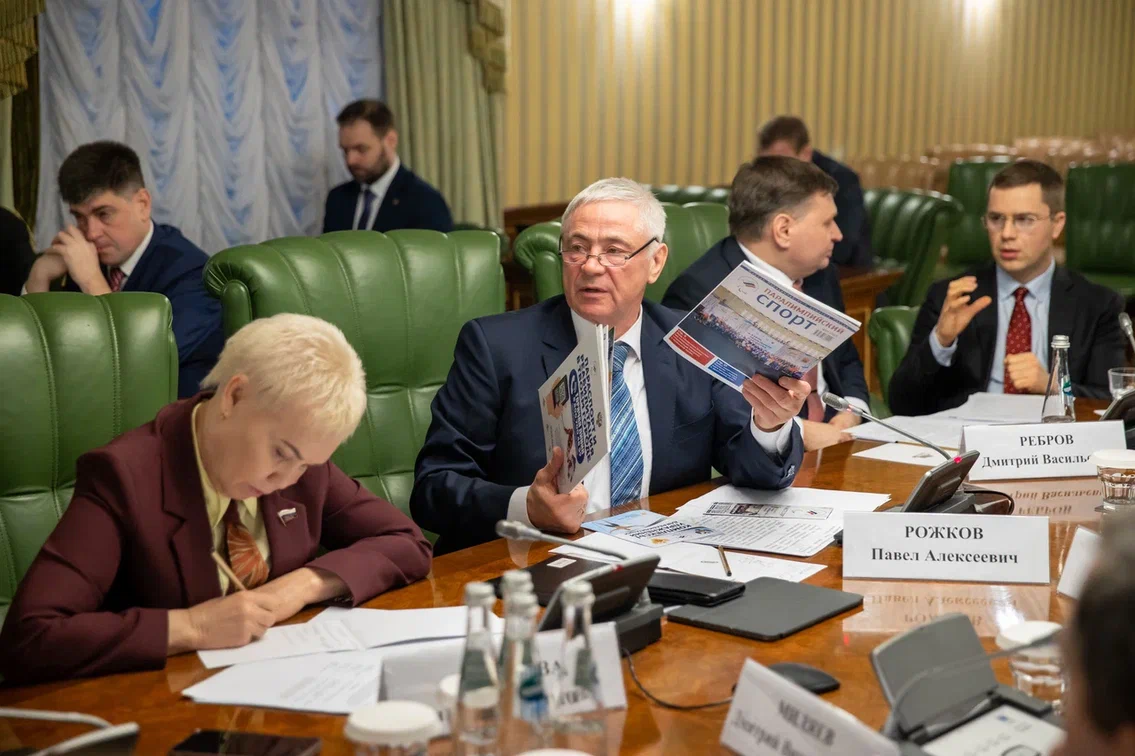
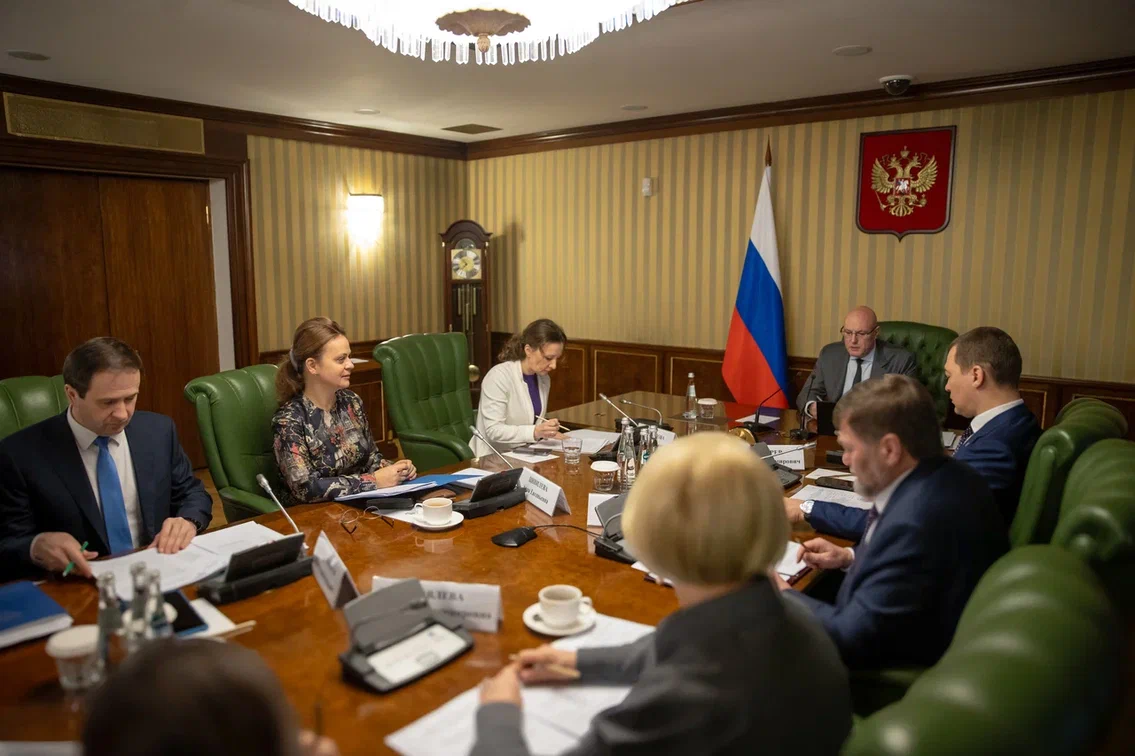
On January 21, ARSFSD President Dmitry Rebrov participated in the work of the interdepartmental commission established by the order of Chairman of the Government Mikhail Mishustin. The commission was formed to address issues related to the development of physical culture and sports among persons with disabilities resulting from participation in special military operations and other armed conflicts.
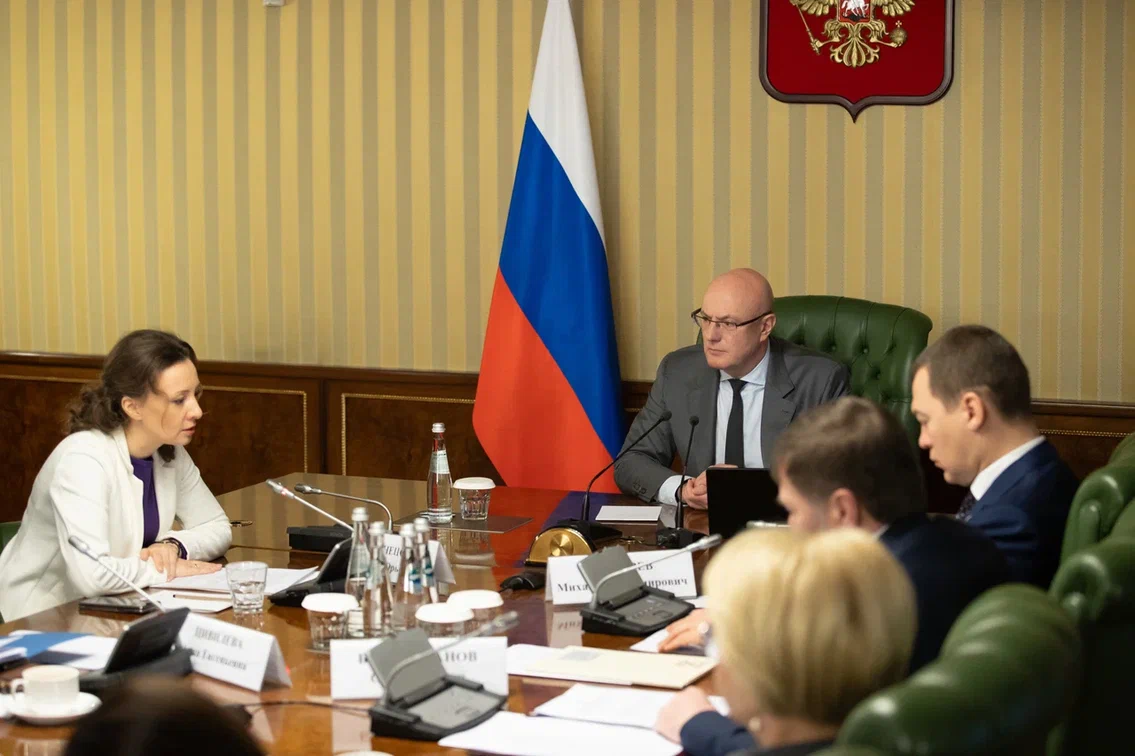
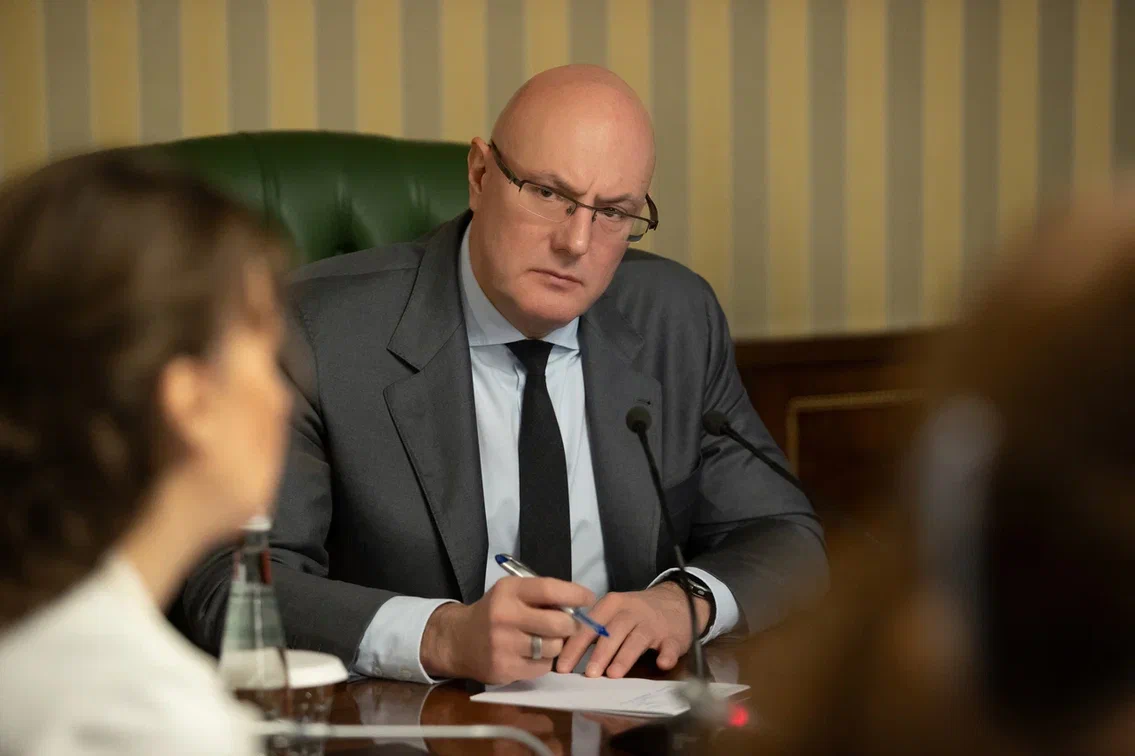
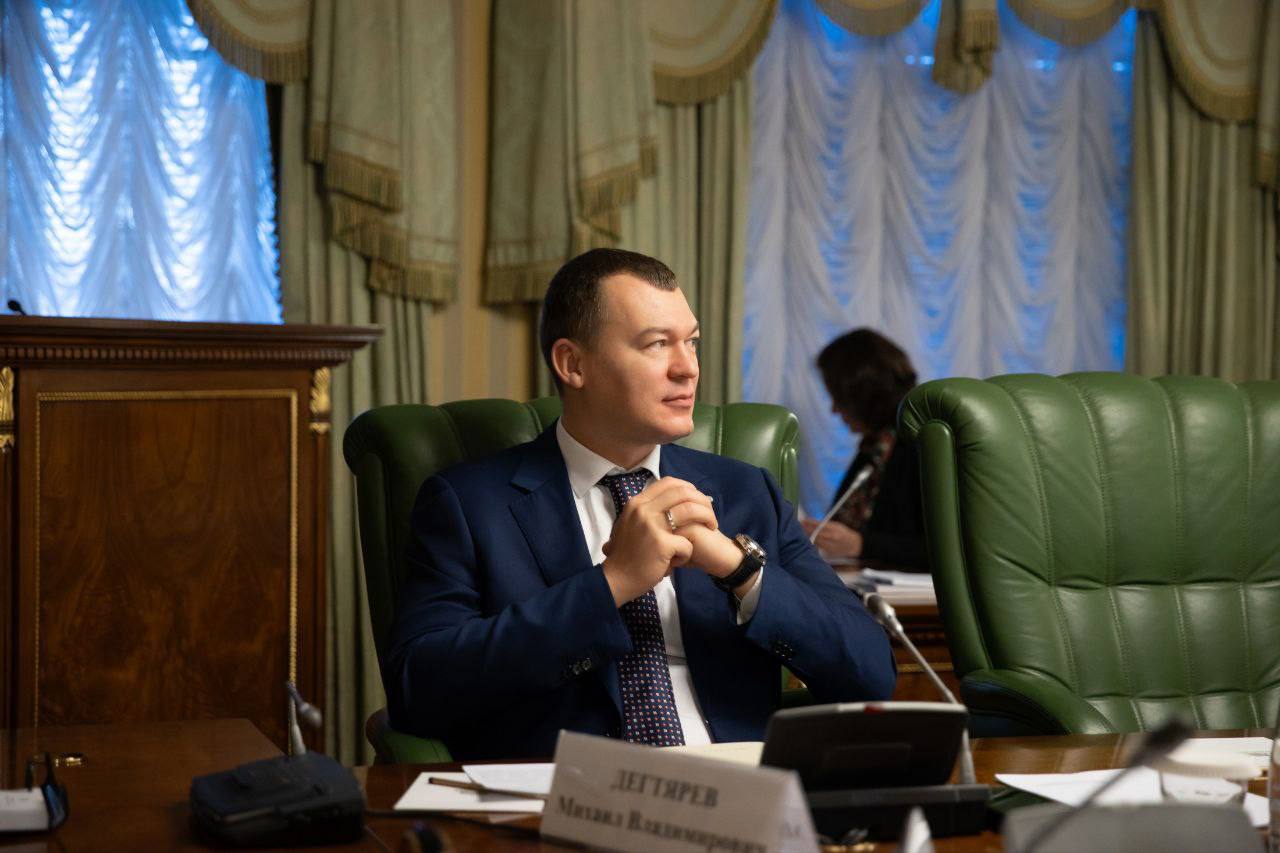
The meeting, held at the Government House and chaired by Deputy Prime Minister Dmitry Chernyshenko, included reports from Russian Sports Minister Mikhail Degtyarev, President of the Paralympic Committee Pavel Rozhkov, State Secretary and Deputy Minister of Defence Anna Tsivileva, Deputy Chairman of the State Duma Anna Kuznetsova, President of the All-Russian Sports Federation of Sports of the Deaf Dmitry Rebrov, Governor of Tula Oblast, and representatives of the Federation Council, the Russian Academy of Sciences, and other organizations. Attendees also included representatives from the Ministry of Economic Development, Ministry of Industry and Trade, Ministry of Health, Ministry of Education and Science, Ministry of Labour, Ministry of Finance, Ministry of Foreign Affairs, the Federal Medical and Biological Agency, public associations, and expert communities.
“President Vladimir Putin has declared 2025 the Year of the Defender of the Fatherland. It is crucial to create equal conditions and ensure the effective adaptation of our young people, particularly persons with disabilities who participated in the SVO. This work must be carried out systematically, with input from the Ministry of Defence, local deputies, and the National Front. I thank all those who are actively engaged in these efforts. Last year, the Defenders of the Fatherland Cup brought together over 800 participants, including veterans of the Defence Forces. Currently, more than 30% of sports facilities are adapted for persons with disabilities, but we must increase this number and scale up best practices,” Chernyshenko noted.
The Ministry of Sport has been instructed to use modern technologies and, through the "My Sport" platform, create a section indicating sports facilities suitable for persons with disabilities. Additionally, efforts will be made to internationalize this work by collaborating with veterans from allied countries and enhancing respect for athletes and national heroes. In February, during the Year of the Defender of the Fatherland, the first awards will be given to participants of the special military operation who have achieved significant sporting results.
In his speech, Minister of Sport Mikhail Degtyarev emphasized that the tasks outlined by the Russian President elevate the development of adaptive sports to a new level. Key priorities include building accessible infrastructure, establishing educational centers across all regions, and introducing a new standard for physical rehabilitation. "Currently, over 30,000 sports facilities are equipped with specialized equipment. New facilities are being designed to meet accessibility standards, with at least 350 such facilities commissioned annually. To ensure equal access to sports across the country, we have established 88 specialized centers for adaptive sports in 65 regions. Such facilities should be available in every constituent entity. We are also focusing on staff training—23,000 adaptive sports specialists are now working in this field. Special attention is being paid to participants of the special military operation. Together with the Paralympic Committee, the Defenders of the Fatherland Foundation, sports federations, and other organizations, we are integrating them into sports activities. We have already held 11 pilot events, including training sessions and competitions. A significant event, the First All-Russian Defenders of the Fatherland Winter Sports Cup, is scheduled for March 2025," Degtyarev stated.
State Secretary and Deputy Minister of Defence Anna Tsivileva noted, “More than half of the servicemen who have been seriously wounded remain in service within the Ministry of Defence. Our goal is to involve them in sports and facilitate their re-socialization through physical activities. Following the directive of the Minister of Defence, adaptive and Paralympic sports are being actively developed within the Armed Forces. A roadmap has been established for the development of adaptive physical training and sports for servicemen who have sustained serious injuries. As part of this effort, a centre for adaptive and Paralympic sports will be created within the CSKA structure, uniting veterans of the North Caucasus Military Forces and other local conflicts.”
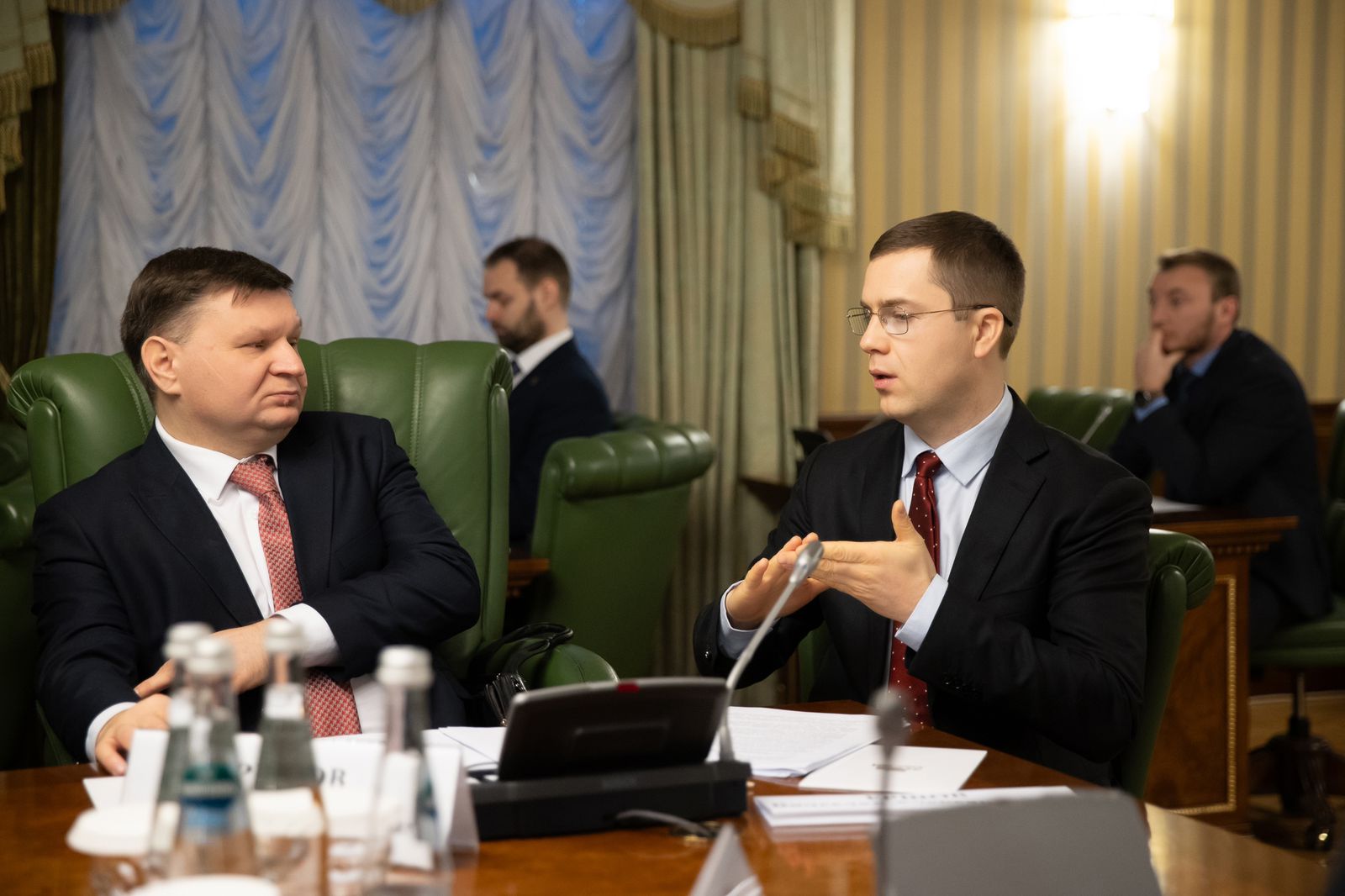
During his address, ARSFSD President Dmitry Rebrov highlighted that the organization has established a department dedicated to working with veterans of special military operations. “The main direction of activity of this department will be the implementation of physical culture and sports activities and rehabilitation by means of physical culture and sports. Among the 31 sports disciplines developed within the framework of deaf sports, the easiest to adapt to the specified goals and objectives are arm wrestling, basketball, basketball 3x3, volleyball, athletics, skiing, table tennis, swimming, orienteering, football, futsal. It is necessary to take into account the need for social rehabilitation of the participants of the armed conflict and other armed conflicts, in particular, the need to teach them Russian sign language in order to ensure communication with the outside world,” stated Dmitry Rebrov.
Dmitry Rebrov also stressed that in order to quantitative analysis of the presence of veterans of the special military operation and other armed conflicts in the subjects of the Russian Federation, as well as for the further development of the discussed area of work, it is necessary to establish cooperation with the State Fund for Support of Participants of the Special Military Operation “Defenders of the Fatherland”.
These measures form an essential part of improving the quality of life for the citizens of our country, enhancing health outcomes, and ensuring the full integration of people with disabilities. With the combined efforts of federal authorities, regional governments, and society, these objectives will be successfully achieved.
Галлерея
Partners