Meeting of the Council for the Development of Physical Culture and Sport
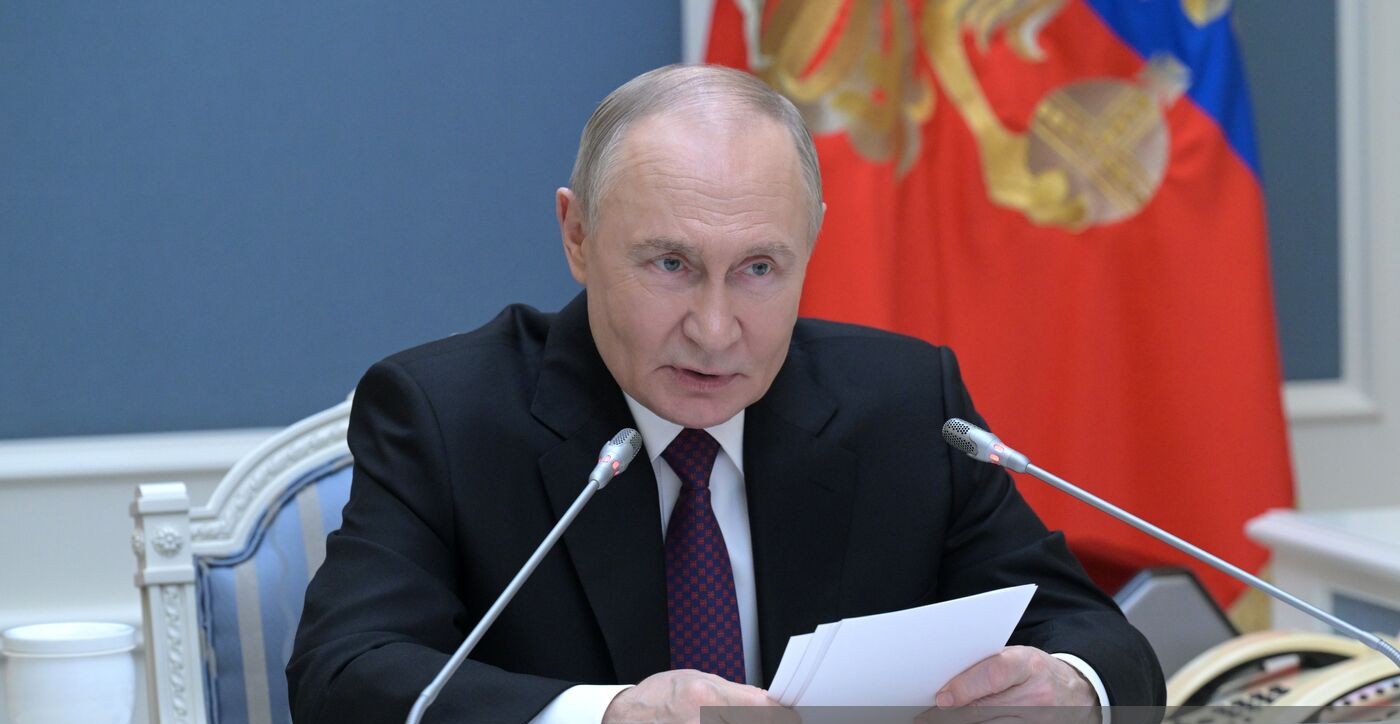
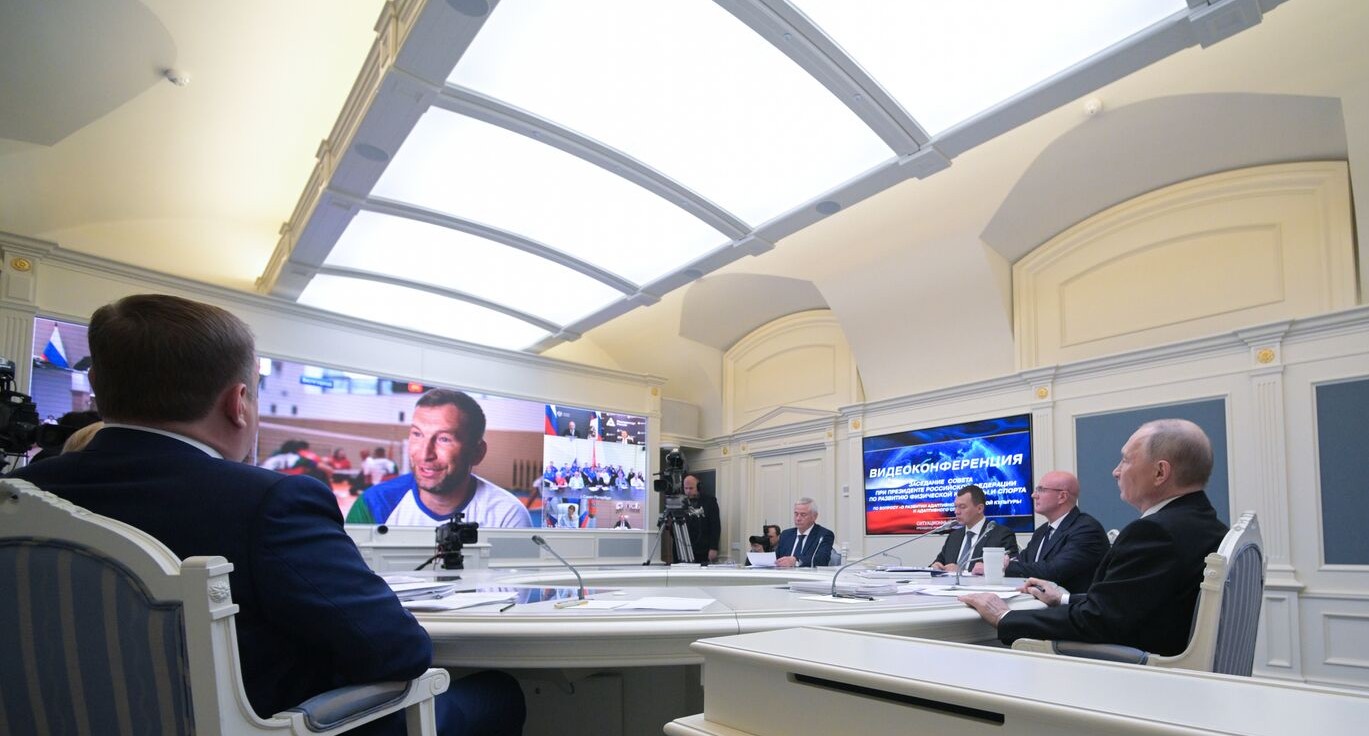
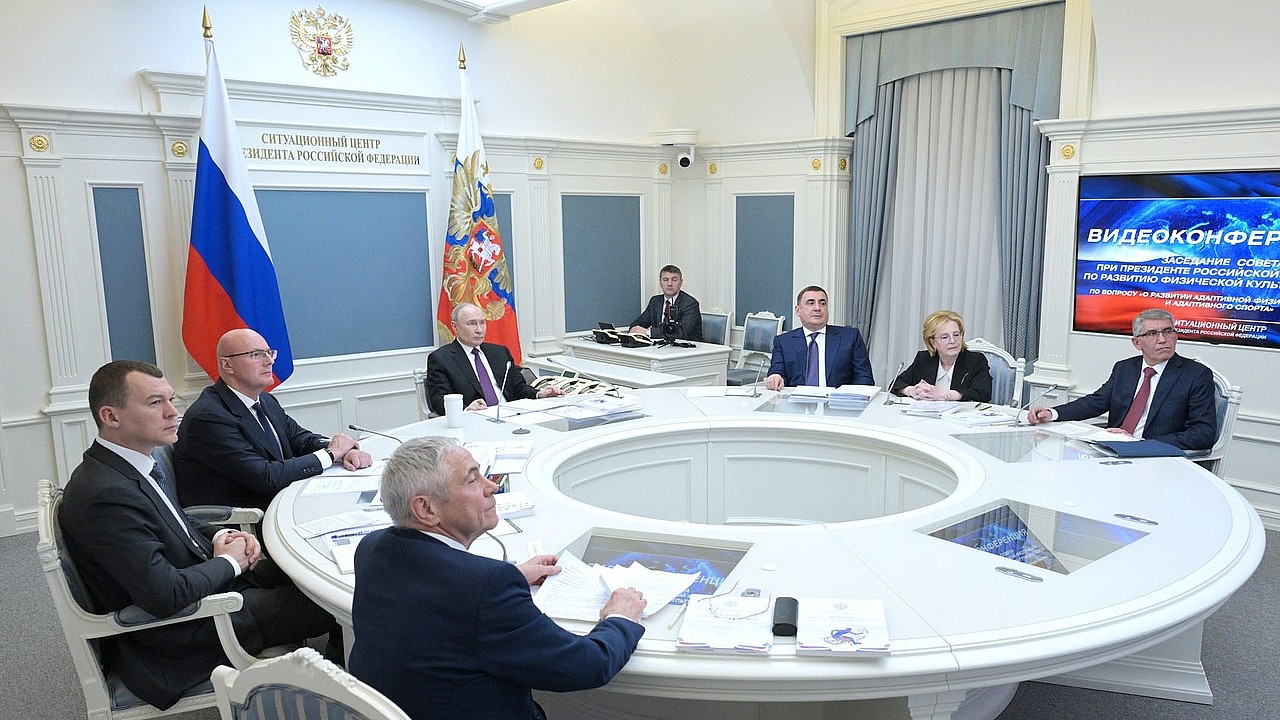
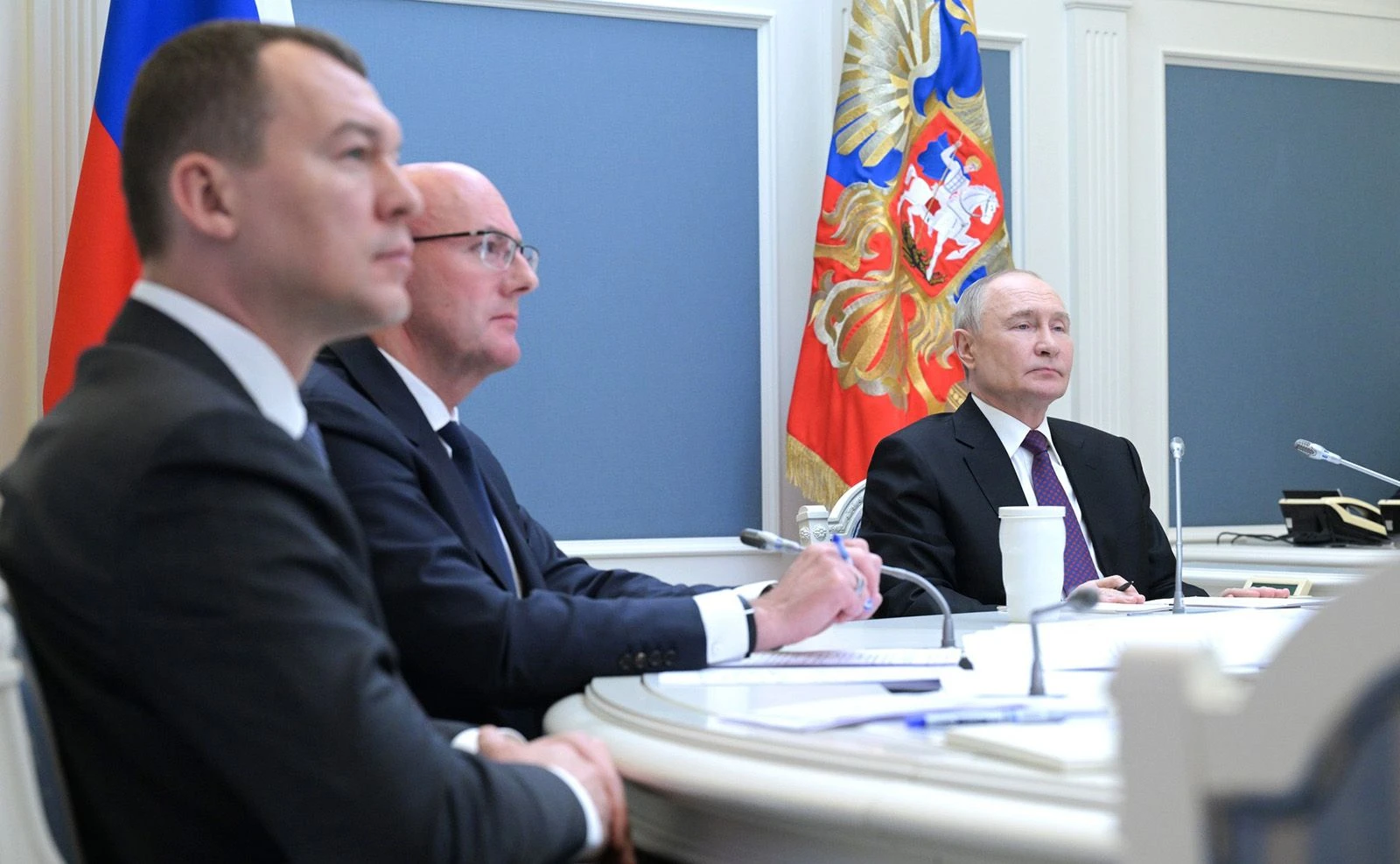
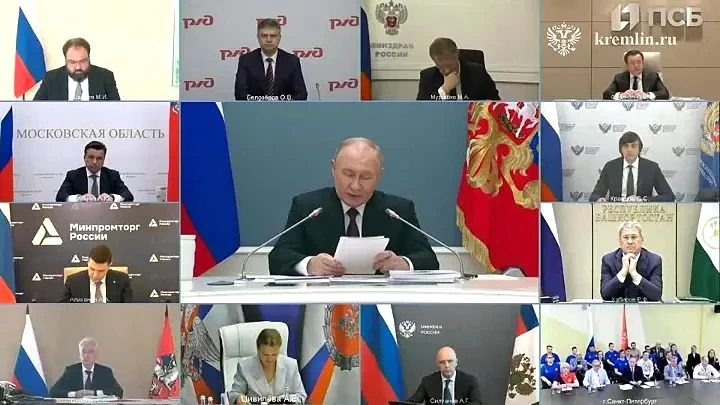
On Wednesday, May 28, a meeting of the Council for the Development of Physical Culture and Sports was held in the Kremlin. The meeting was attended by Russian Minister of Sport Mikhail Degtyarev, Russian Minister of Industry and Trade Anton Alikhanov, Moscow Mayor Sergei Sobyanin, Deputy Prime Minister of Russia Dmitry Chernyshenko, President of the Paralympic Committee Pavel Rozhkov, Head of the Federal Medical and Biological Agency Veronika Skvortsova, Secretary of the State Council of the Russian Federation Alexei Dyumin, as well as regional governors Dmitry Milyaev (Tula Region), Alexander Beglov (St. Petersburg), and Andrei Vorobyov (Moscow Region).
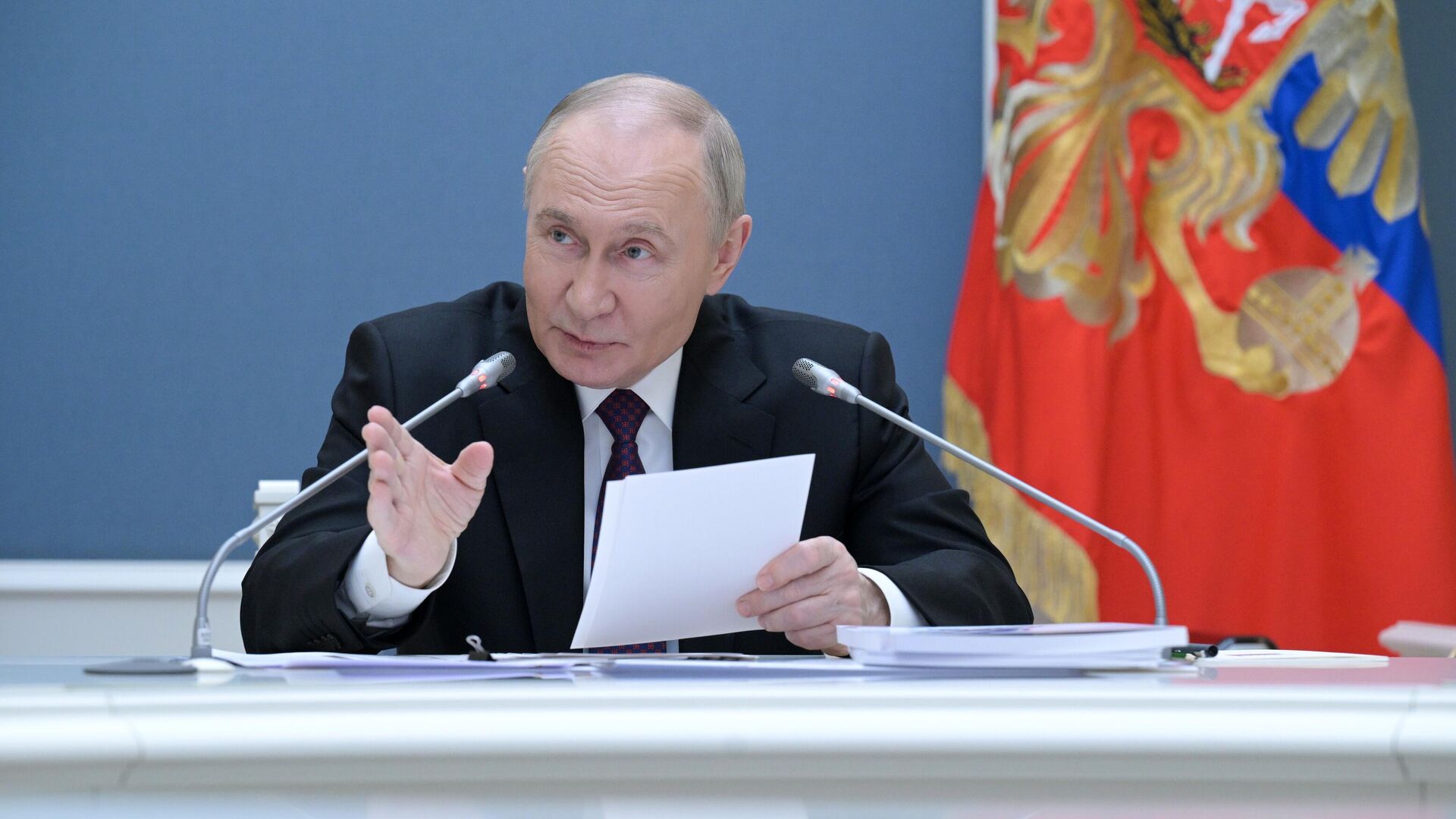
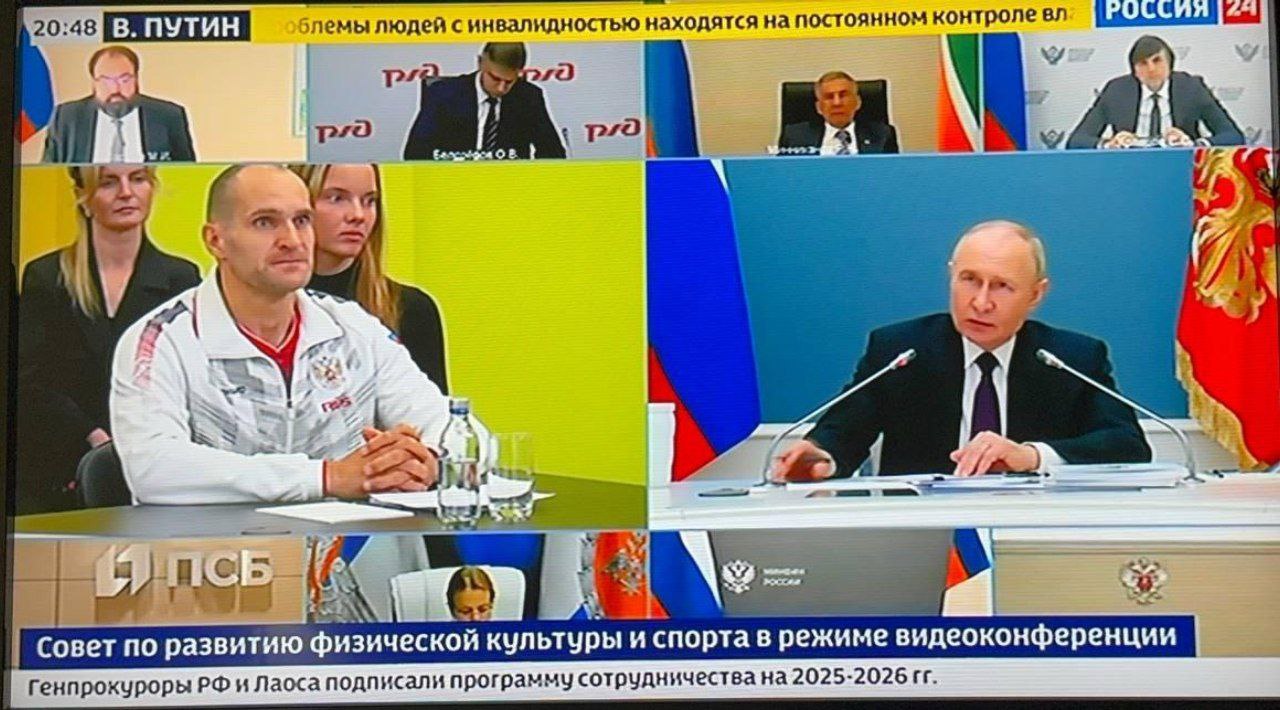
The meeting was opened by Russian President Vladimir Putin. The topic of the meeting was an issue of particular public importance—the development of adaptive sports. “Our goal is to ensure that [sports] activities are accessible to all people with health limitations, regardless of their place of residence, income, age, and level of physical fitness,” said the Russian president. The significance of the topic is confirmed by the facts: in our country, about 11 million citizens face health limitations and disabilities. Of these, more than 7 million people have no contraindications for participating in sports: on the contrary, many are recommended to participate in sports for recovery and socialization.
The president paid special attention to the condition of sports facilities. There are 370,000 such facilities in Russia, but less than 10% of them have special equipment, including ramps. Vladimir Putin instructed that a detailed inventory of sports facilities be carried out by the end of 2025, and based on the results, a plan for their modernization and overhaul be developed. By 2030, the problem should be completely resolved.
A separate task is to ensure widespread access to sports activities for veterans of the special military operation. Many of them regularly participate in sports and have become members of national teams, competing in competitions and inspiring others with their courage. Instructions to include the Defenders of the Fatherland Cup tournaments in the plans for all-Russian and regional sporting events have already been given.
The President of the Russian Federation raised the issue of providing decent working conditions for adaptive sports coaches, instructors and doctors. He also instructed that Paralympians' and Deaflympics athletes' payments for victories in international competitions be increased.
The proposals were put forward by Dmitry Milyaev, Governor of the Tula Region. “We consider it necessary to clarify the legislation, powers, and rights of the Russian Federation, the constituent entities of the Russian Federation, local government bodies, the Paralympic Committee, the Russian Committee of Deaf Sports, and sports federations with regard to the physical rehabilitation and habilitation of persons with disabilities, and to determine the scope and sources of funding for the relevant measures,” the governor said. In addition, a proposal was made to the country's constituent entities to include physical rehabilitation services for persons with disabilities in regional lists of state and municipal services.
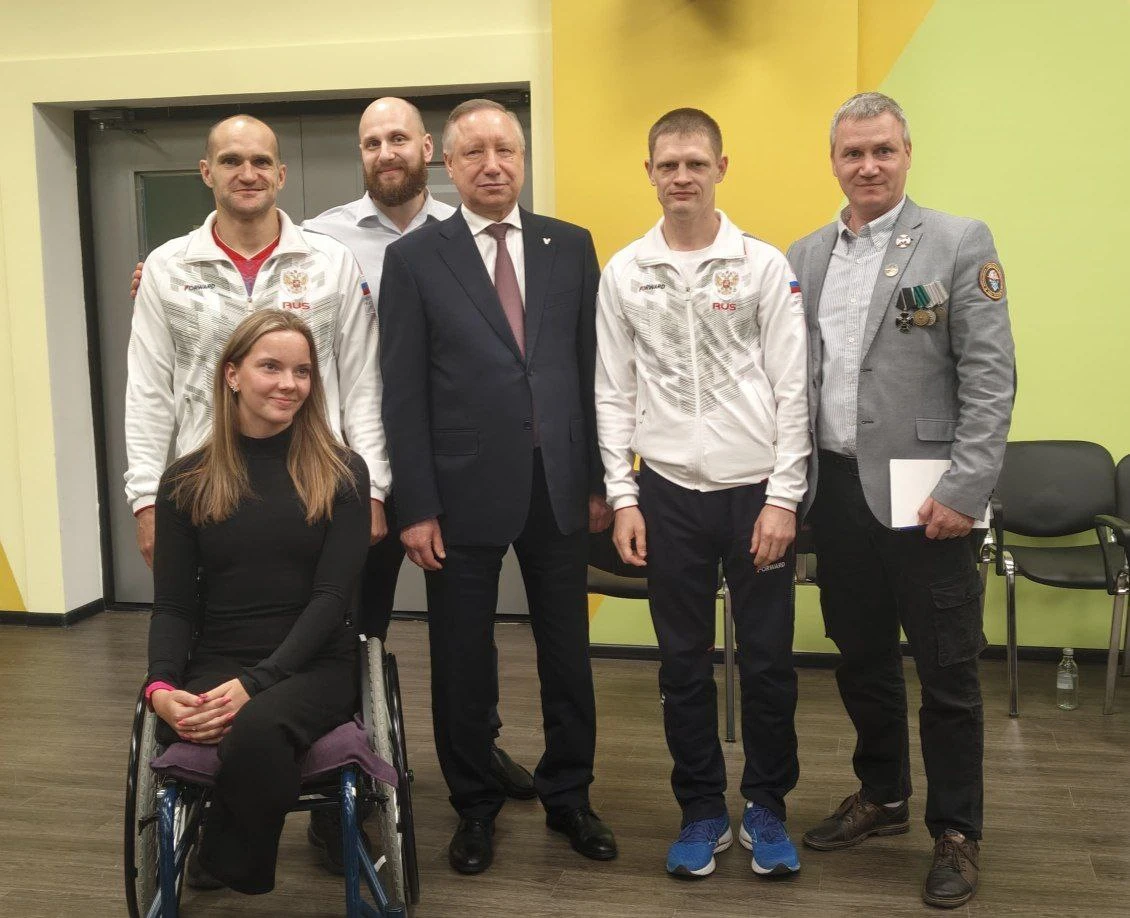
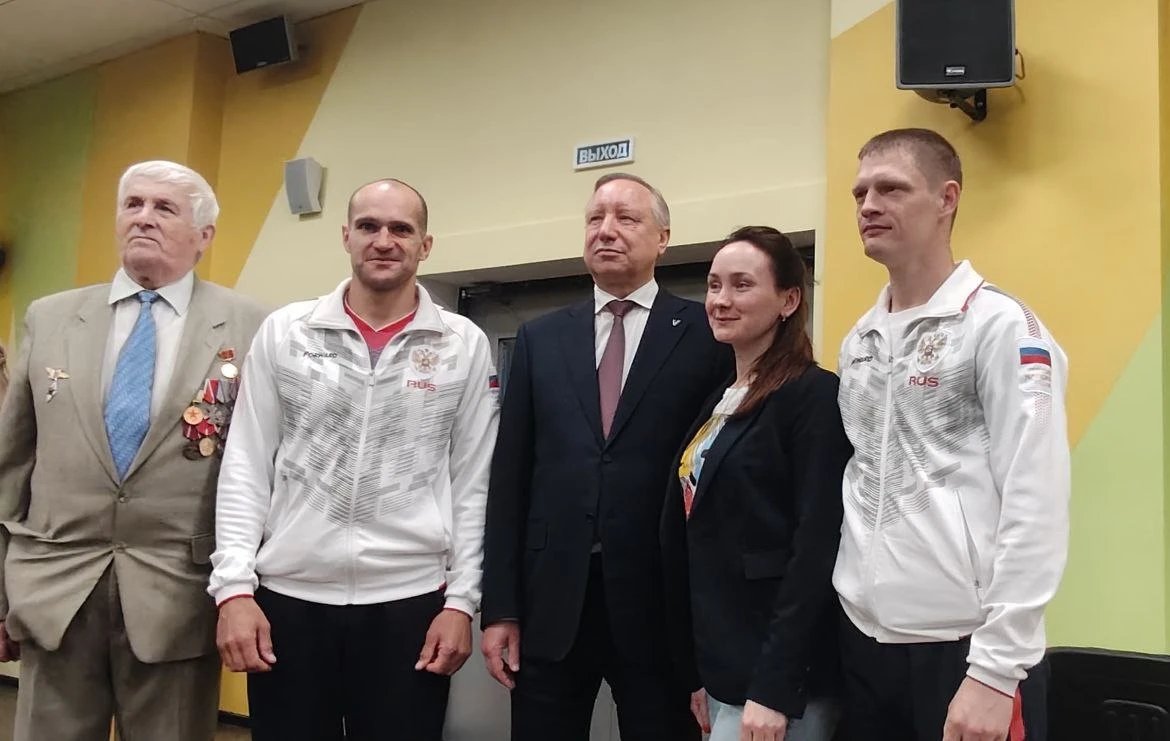
St. Petersburg Governor Alexander Beglov participated in the meeting online from the new Centre for Adaptive Physical Culture and Adaptive Sports. “Today, it is the largest specialized sports complex in Russia. It covers an area of more than 22,000 square meters. There are three game rooms, two gyms, a rehabilitation centre, and most importantly, a 90-room hotel. I would like to highlight the three swimming pools, including a large swimming pool equipped with a lifting floor,” the governor said about the Centre.
Lilia Prokofieva, a member of the Russian Paralympic team and senior coach of the St. Petersburg badminton team (a sport for people with musculoskeletal disorders), asked Vladimir Putin about the possibility of organizing sports equipment rental points for people with disabilities. The Russian president supported the idea and noted that it was not only possible but necessary to do so.
Dmitry Chistyakov, a member of the St. Petersburg team for sports for people with musculoskeletal disorders in the discipline of “sport orienteering,” asked the president, “Is it possible to create a specialized fleet of such accessible cars and minibuses?” The athlete noted that taxi drivers often refuse to place wheelchairs in the trunk and cancel orders, making it impossible to get to the sports facility. Vladimir Putin instructed those present to encourage taxi drivers to transport people with limited mobility.
Sergey Belyaev, member of the St. Petersburg national team for deaf athletes (judo): “Young athletes must obtain a certain sports rank in order to be eligible to participate in Russian championships. Often, in a number of adaptive sports disciplines, the required number of participants to obtain such a rank at competitions is not reached. Because of this, promising young athletes lose their motivation to train.” The president responded to the judoka's question by saying that, on the one hand, the requirements for obtaining a rank must be objective in order to maintain the prestige of the competitions. On the other hand, the Ministry of Sport needs to hold interregional competitions and ensure that there are enough participants.
Moscow Mayor Sergei Sobyanin reported to those gathered: “Virtually all Moskomsport organizations that work with people who are completely physically healthy have the opportunity to attract people with disabilities. Today, there are about 65,000 of them.” The mayor added that their number will increase.
Moscow Region Governor Andrei Vorobyov spoke about the opening of two adaptive centres in the region, which are intended for sports activities. He noted that transportation is provided for competitions, and the issue of creating a social taxi service remains to be resolved.
Sports Minister Mikhail Degtyarev reported on the figures: in 2023, 956 adaptive sports events were held, last year — more than 1,100, and in 2025, more than 1,500 are planned. The format of the All-Russian Spartakiad has been revived, and in the face of international pressure, this format has become a key tool for the development of Paralympic and Deaflympic sports and the main platform for training national teams. The minister reported that work on providing comprehensive adaptation is actively underway: “By August of this year, a new modern medical and rehabilitation centre will open at the Krymsky Federal Centre of the Ministry of Sports after a large-scale renovation carried out on your instructions. In addition to providing full service to all national teams, including Paralympic teams, the centre will offer treatment, rehabilitation, and prosthetics using high-tech equipment (which has now been delivered and is being launched), and will be able to serve more than 1,200 people with disabilities per year.”
According to FMBA Director Veronika Skvortsova, today almost all athletes on Russia's national adaptive sports teams are allowed to participate in sports activities, with 82% of them doing so without prior situational medical training (previously, no more than 73% were allowed). The head of the Agency also reported that in 2024, the first prosthetics and rehabilitation centre was opened at one of the FMBA's scientific and clinical centres in collaboration with the prosthetics enterprise of the state corporation Rostec, with the support of the State Fund Defenders of the Fatherland and the Paralympic Committee.
Vladimir Putin concluded the meeting by noting that the attitude towards the development of adaptive sports should not change depending on external events — attention should always be paid to this issue. “Any society, as we know, shows its maturity primarily in its attitude towards those citizens who need support from the state,” the president added.
Text: Olga Troinikova
Photo: Source

Translation: Daria Kudelina
Галлерея
Partners