Final Meeting of the Working Group of the Council on Development of Physical Culture and Sports
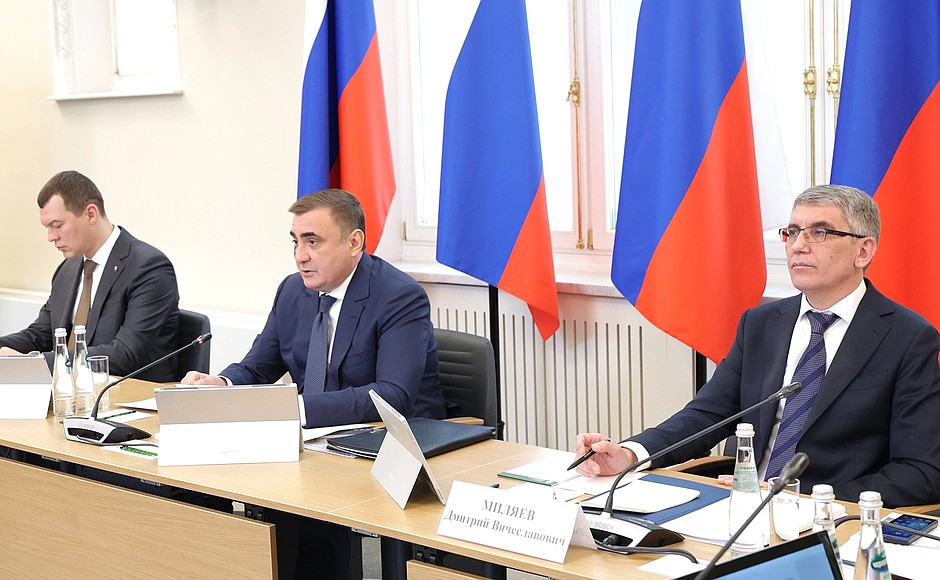
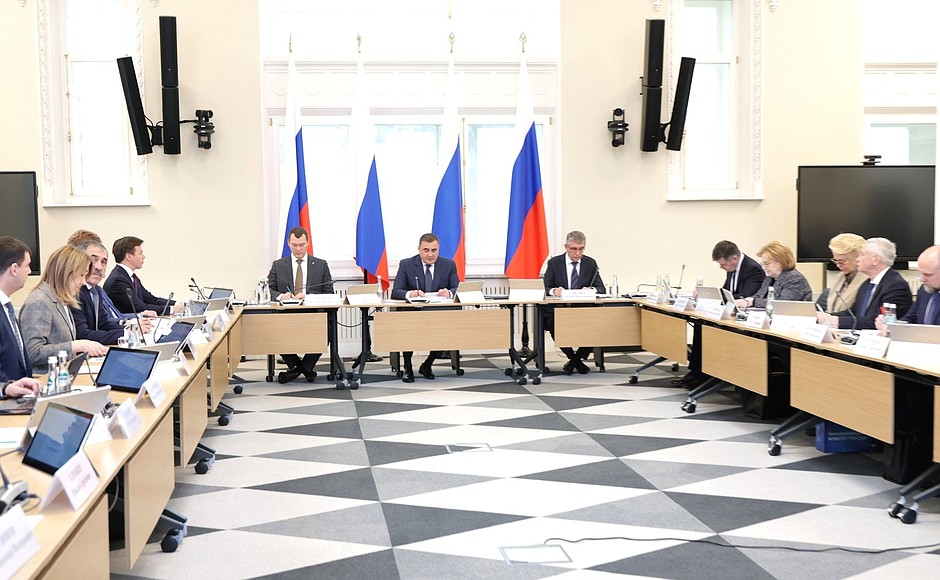
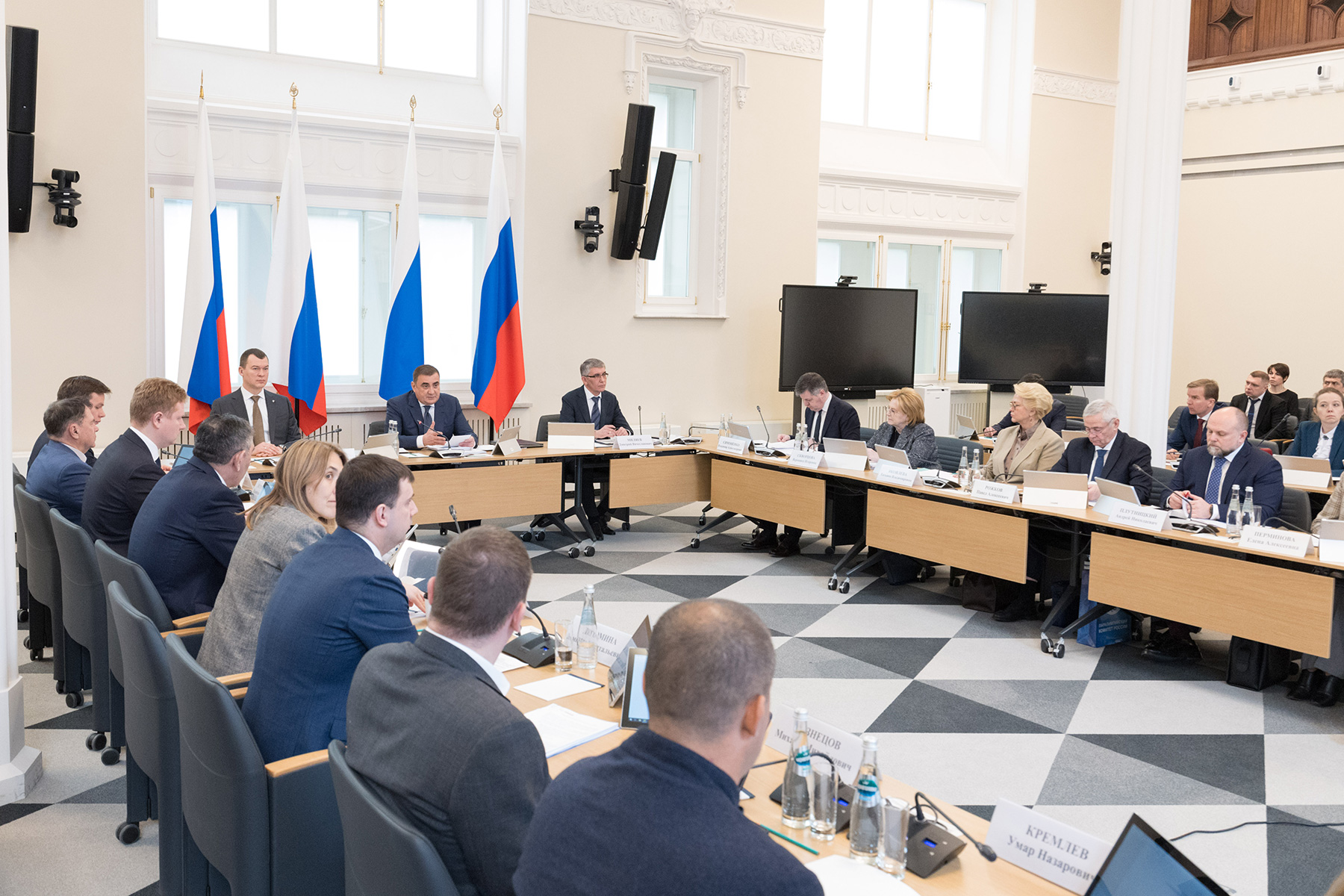
On 8 April, a joint meeting was held between the Commission of the State Council of the Russian Federation on Physical Culture and Sports and the working group preparing for the meeting of the Council under the President of the Russian Federation on the development of physical culture and sports. Representatives of the All-Russian Sports Federation of Deaf Sports and the Deaflympic Committee of Russia participated via videoconference.
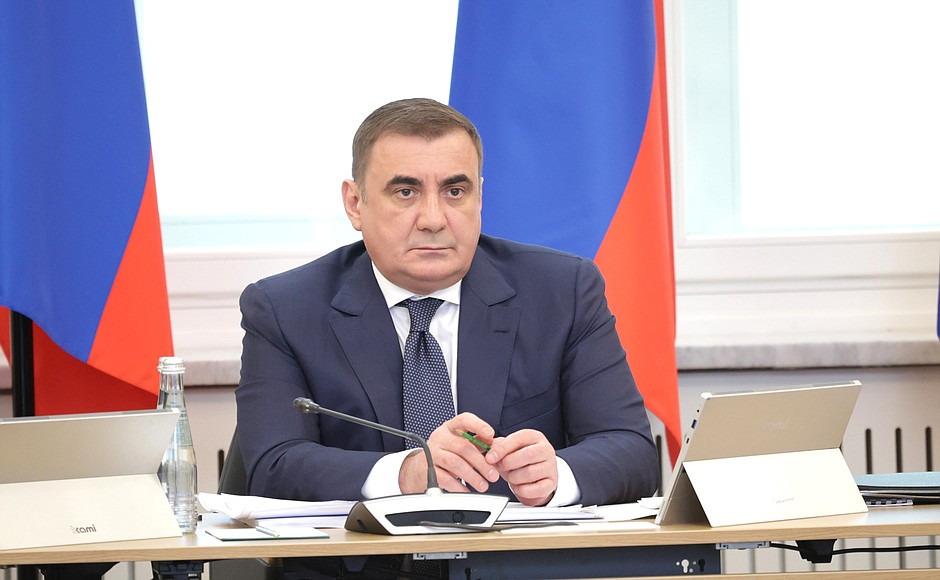
The meeting focused on the development of adaptive physical culture and adaptive sports. It began with an introductory speech by Aleksei Diumin, Assistant to the President of the Russian Federation and Secretary of the State Council, who noted that 11 million people with disabilities live in Russia, 7 million of whom have no contraindications to physical activity. However, only 1.8 million — just 25.5% of those eligible — currently engage in sports. The strategy for adaptive sports development until 2030 aims to increase this figure to 30%.
To achieve this goal, improvements are needed in several key areas. First, sports facilities must be assessed for accessibility and equipment, fr om basic features like ramps, appropriately sized doors, and lifts to the installation of specialized exercise equipment. Currently, only 8.3% of facilities meet these requirements. By 2026, a registry of adaptive sports-compliant facilities must be established, making an inventory of Russia’s sports infrastructure a top priority. Second, citizens need better access to information about rehabilitation services, which could be addressed by creating a centralized “one-stop shop” on the Gosuslugi portal. Third, there is a critical shortage of qualified coaches and instructors in rehabilitation sports.
Following the opening remarks, Dmitrii Miliaev, Governor of the Tula Region and Chairman of the State Council Commission on Physical Culture and Sports, delivered a report. He identified the main barriers to adaptive sports development as inconsistent legal regulations in rehabilitation, the lack of nationwide standards, ambiguous terminology in legislation, and the poor condition of sports facilities. Governor Miliaev proposed involving private fitness centres in the strategy by subsidizing part of the cost for specialized equipment and revising compensation for rehabilitation coaches. “There is a significant disparity between leading and lagging regions,” he noted. “Out of 370,000 sports facilities nationwide, only 134,000 are accessible to people with disabilities.”
Mikhail Degtiarev, Minister of Sport of the Russian Federation and President of the Russian Olympic Committee, also spoke, supporting the call for a sports facility inventory and confirming that the process has already begun. He announced that 66 regions will receive funding to improve sports infrastructure accessibility. In addition to upgrading existing facilities, new adaptive sports institutions — ncluding centres, schools, and dedicated departments — are being established. So far, 88 such institutions operate across 65 regions. "As the former governor of Khabarovsk Krai, I can attest that such institutions are highly popular and in demand," Degtiarev emphasized. He also stressed the importance of integrating veterans of the special military operation into adaptive sports programs, noting that the Ministry of Sport has allocated 2.8 billion roubles this year for adaptive sports development, including 1.6 billion specifically for programs involving people with disabilities and veterans.
Pavel Rozhkov, President of the Russian Paralympic Committee, echoed these sentiments: “To further develop mass adaptive sports, systemic changes are needed. First and foremost, conditions for adaptive sports must be created locally — through schools, centres, and accessible infrastructure in every region.”
The social adaptation of millions of people extends beyond sports, requiring a comprehensive approach. Dmitri Ligomina, Director of the Department for Persons with Disabilities at the Ministry of Labour and Social Protection, highlighted a pilot project launched in 2022 to implement holistic rehabilitation for children with disabilities. The program will soon expand from 6 to 38 regions. “Our shared goal,” he said, “is to foster a culture wh ere citizens embrace both sports and rehabilitation.”
In closing, Aleksei Diumin reaffirmed the commitment to supporting veterans of the special military operation—those who defended Russia’s interests out of duty and conviction. A dedicated State Council commission has been established by presidential decree to assist combat participants and their families. However, he emphasized that efforts must also extend to others with disabilities, whether from workplace accidents, civilian service, or congenital conditions. “These 11 million people are our citizens,” Diumin stated. “They deserve rehabilitation, medical care, assistive devices — from orthopedic shoes to mobility aids — and the same opportunities to engage in sports, socialize, and participate fully in society.”
Photo: Government of the Tula Oblast
Translation: Daria Kudelina
Галлерея
Partners